Specialized Pallets for the NJ Food & Pharma Industry

Food and pharmaceutical distributors in Monmouth County face strict pallet requirements. Learn which specialized pallets meet FDA, USDA, and ISPM 15 standards to keep your shipments compliant.

Custom Pallet Solutions for Unique Shipping Needs.
If you’re shipping food products or pharmaceuticals in or out of Monmouth County, NJ, you already know the stakes are high. One rejected shipment because of non-compliant pallets can cost you thousands in delays, fines, or destroyed inventory. The wrong pallet can harbor bacteria that contaminate your products or lack the certification stamp that gets your shipment turned away at the border. The food and pharmaceutical industries don’t have room for guesswork when it comes to pallets. You need Grade A quality that meets FDA standards, heat treatment that satisfies ISPM 15 requirements, and surfaces clean enough to protect sensitive products. Let’s break down exactly what you need and why it matters for your operation.

Why Food Grade Pallets Matter in New Jersey

New Jersey sits at the center of one of the nation’s busiest food distribution corridors. Monmouth County, NJ and surrounding areas are packed with food distributors, processors, and logistics companies moving products throughout the Northeast. That density means higher scrutiny and zero tolerance for contamination risks.

Food grade pallets aren’t just a nice-to-have. Under FDA’s Food Safety Modernization Act, pallets used in the food supply chain must be maintained in good condition, free from mold, chemical residues, and visible contaminants. That’s not marketing language—that’s federal law with real consequences for non-compliance.

The challenge is that “food grade” isn’t always clearly defined. While pallets typically don’t contact food directly, they play a critical role in preventing indirect contamination. A pallet with chemical residue, embedded dirt, or structural damage can compromise your entire load. For businesses handling perishable goods, dairy, or packaged foods, the cost of a recall far exceeds what you’d ever save buying cheaper pallets.

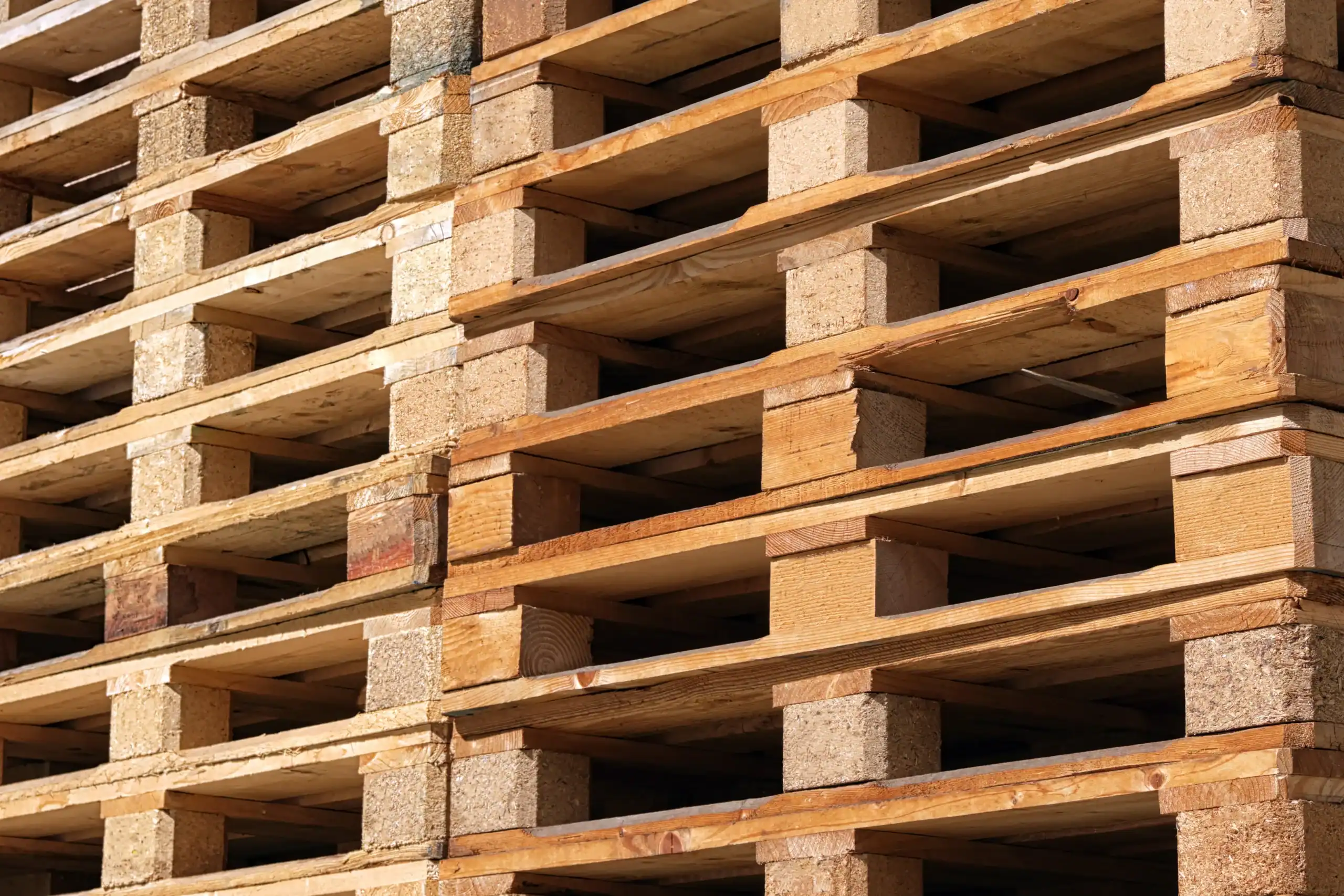
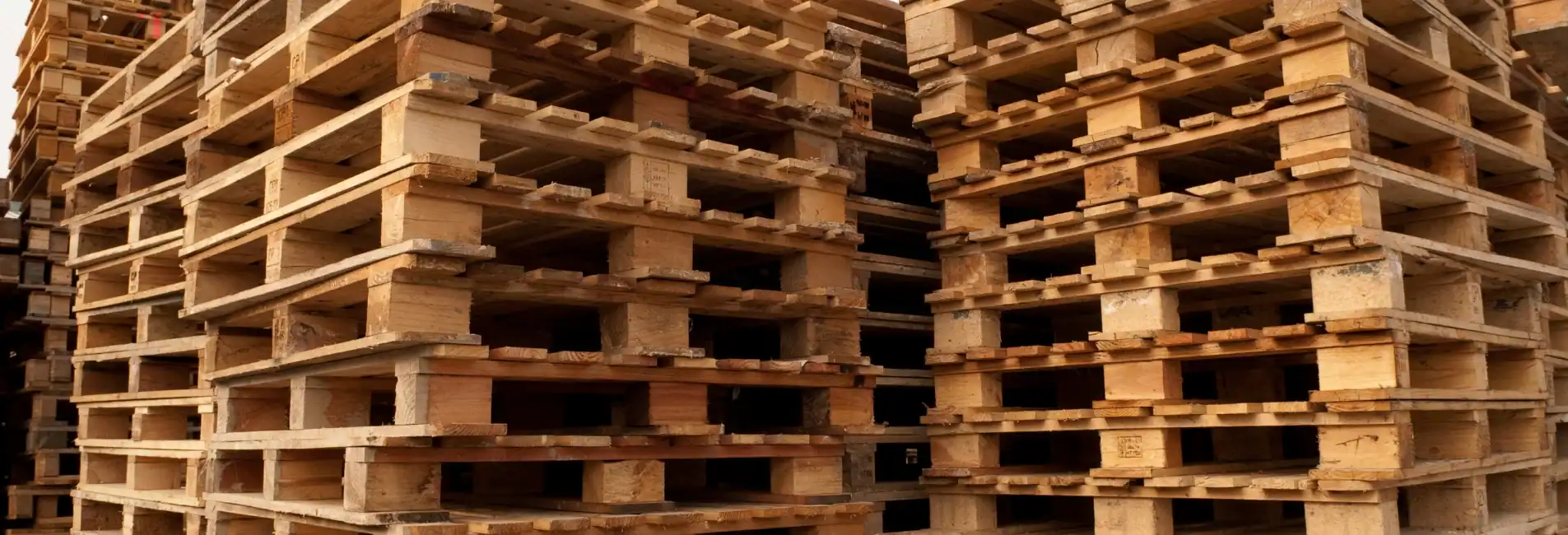
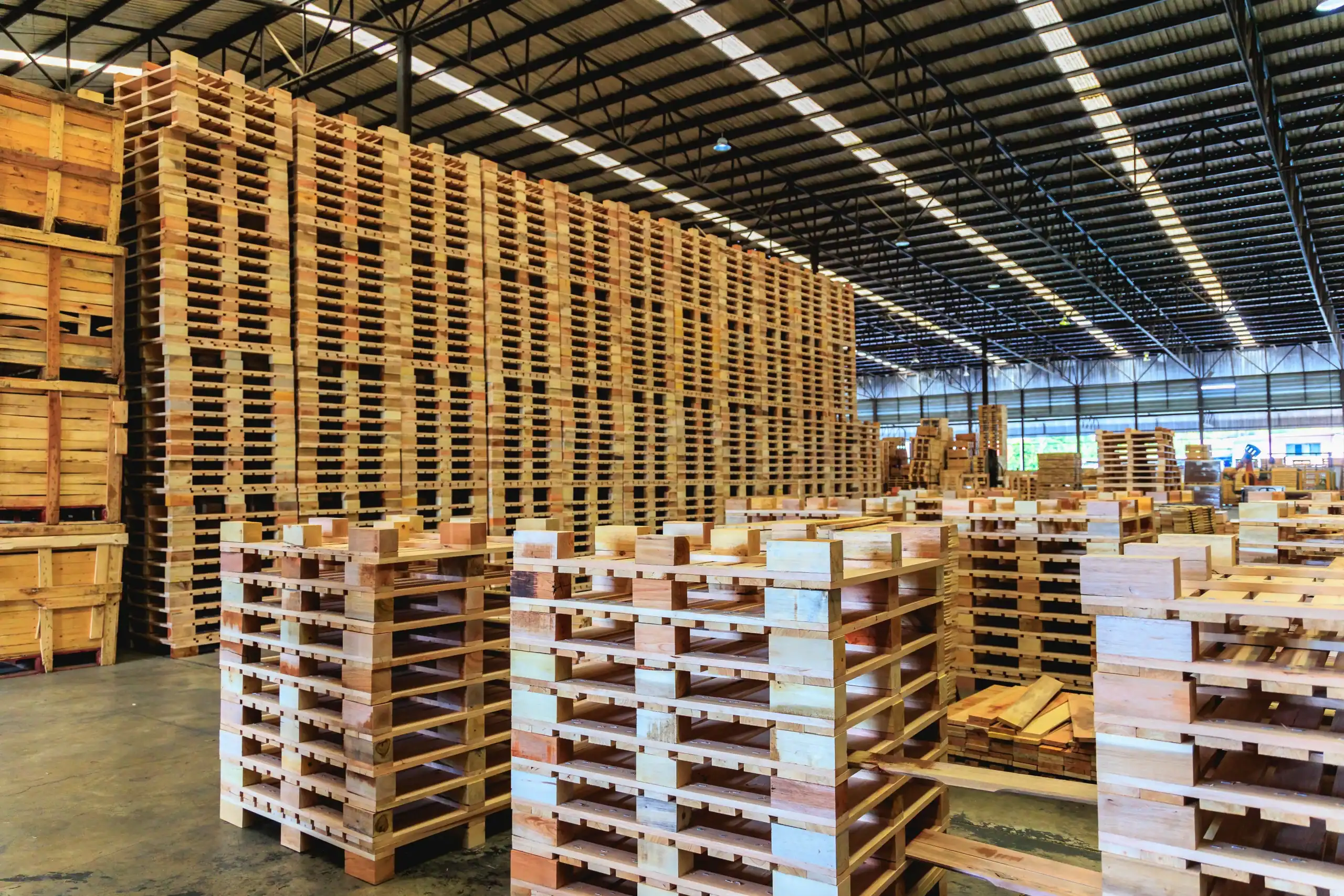
Stacked wooden pallets for shipping and storage purposes.

What Makes Pallets Food Grade Compliant

Here’s what actually matters when you’re evaluating pallets for sale for food applications. First, condition. Grade A pallets are your baseline for food work—they’re in excellent structural shape with minimal wear, no protruding nails, and no broken boards that could damage packaging or harbor contaminants.

Second, cleanliness. The pallet should be free from visible dirt, mold, chemical stains, or any sign of previous contamination. Wood naturally absorbs liquids and odors, so pallets with unknown histories are risky. You want pallets that have been inspected and maintained in clean warehouse conditions, not pulled from random outdoor piles.

Third, material sourcing. New pallets built from clean lumber eliminate the contamination risk entirely. Recycled pallets require verification that they haven’t been exposed to hazardous materials. Some companies require heat-treated pallets even for domestic food shipments because the treatment process also eliminates pests and reduces bacterial load.

The FDA doesn’t mandate plastic pallets for most food applications, despite what some suppliers might tell you. Sanitary wood pallets remain the most cost-effective and compliant choice for the majority of food transportation scenarios. The key is working with a supplier who understands FSMA requirements and can verify that their pallets meet maintenance and cleanliness standards.

Think about your specific products. Are you shipping direct-contact items in a clean room environment? Then you might need plastic or heavily sanitized pallets. Shipping packaged goods in secondary containers? Grade A wood pallets that are clean, dry, and structurally sound will meet your requirements at a fraction of the cost.

Avoiding Costly Food Pallet Compliance Mistakes

The biggest mistake food distributors make is assuming all pallets for sale are basically the same. They’re not, and the FDA is actively inspecting facilities to ensure compliance with FSMA transportation rules. Companies are getting hit with Emergency Action Notifications for using poorly maintained pallets, and those violations can trigger expensive corrective actions.

Another common error is buying the cheapest pallets available without checking their history. Recycled pallets might have carried chemicals, been stored outdoors where they absorbed moisture and grew mold, or have structural damage that’s been poorly repaired. You save a few dollars per pallet and risk a five-figure recall when contamination is traced back to your shipping materials.

Some businesses also overlook the documentation side. If you’re audited or face a contamination incident, you need to demonstrate that your pallets met sanitary standards. That means working with suppliers who can provide verification of pallet condition, treatment history, and compliance with industry standards. Verbal assurances don’t hold up during FDA inspections.

Temperature and humidity matter too. Pallets stored in damp conditions develop mold. Pallets left in direct sunlight can warp or develop cracks that trap debris. If your supplier isn’t storing pallets properly, you’re inheriting their quality control problems. Ask where pallets are kept and how they’re maintained between purchase and delivery.

Don’t ignore the signs of a bad pallet even if it’s already in your facility. Broken boards, protruding nails, dark staining, musty odors, or visible mold mean that pallet shouldn’t touch your food products. The cost of rejecting a few bad pallets is nothing compared to the cost of a contaminated shipment making it to market.

Want live answers?

Connect with a Pallet Kings expert for fast, friendly support.

ISPM 15 Pallets for Pharmaceutical Shipping Supplies

Pharmaceutical companies in Monmouth County, NJ face a different but equally critical challenge—ISPM 15 compliance for international shipments. If you’re exporting medications, medical devices, or pharmaceutical ingredients, your wood pallets must be heat-treated and bear the proper certification stamp. No exceptions.

ISPM 15 is an international phytosanitary standard designed to prevent the spread of pests and diseases through wood packaging. Over 180 countries enforce these requirements, and non-compliant shipments get rejected at the border. That means delayed deliveries, additional freight costs to return or dispose of pallets, and potentially damaged relationships with international customers.

Heat treatment involves heating wood to a core temperature of 56°C (133°F) for at least 30 minutes. This process kills insects, larvae, and fungi that could hitchhike across borders. After treatment, pallets receive an official ISPM 15 stamp showing the treatment provider’s code, country of origin, and treatment method (HT for heat treatment).

Scrap wooden pallets and broken wood pieces piled up in storage.

Why Pharmaceutical Shipping Requires Certified Pallets

Pharmaceutical products are among the most heavily regulated items in global commerce. Beyond ISPM 15 requirements for the pallets themselves, pharmaceutical companies must maintain strict sanitary conditions throughout the supply chain. That’s why many pharma distributors specify both heat-treated pallets for export compliance and Grade A quality for contamination prevention.

The pharmaceutical industry learned hard lessons about pallet contamination. The 2010 Tylenol recall involved wood pallets treated with fungicides that created an unpleasant odor in the medication. That incident cost millions and reinforced why pharmaceutical shipping supplies require extra caution with pallet selection.

Wood pallets can harbor bacteria, fungi, and chemical residues that pose contamination risks. For pharmaceutical applications, you want pallets that are heat-treated (which reduces microbial load), stored in clean warehouse conditions, and free from any chemical treatments beyond what’s required for ISPM 15 compliance. The heat treatment process itself provides a sanitary benefit beyond just pest control.

Many pharmaceutical companies are moving toward plastic pallets for closed-loop systems and clean room environments. Plastic is easier to sanitize and doesn’t absorb moisture or contaminants. However, wood pallets remain the standard for most pharmaceutical exports because they’re cost-effective, readily available, and meet all regulatory requirements when properly treated and maintained.

The key is matching the pallet to your specific use case. Exporting vaccines that require temperature control? You might need specialized insulated shipping solutions. Shipping over-the-counter medications in sealed secondary packaging? Heat-treated wood pallets provide the compliance and cleanliness you need without unnecessary expense.

How to Verify ISPM 15 Certification on Pallets

The ISPM 15 stamp isn’t optional and it’s not something you can add yourself. Only approved treatment facilities authorized by the National Plant Protection Organization can apply the official mark. That stamp is your proof of compliance, and customs officials know how to spot fakes or improperly applied marks.

The stamp includes specific information: the IPPC logo (looks like a wheat symbol), a two-letter country code (US for United States), a unique producer/treatment facility code, and the treatment type (HT for heat treatment). All of this must be clearly legible and properly formatted. Smudged, incomplete, or incorrectly formatted stamps can cause your shipment to be rejected even if the pallet was actually treated.

Here’s what catches companies off guard—if you modify, repair, or reassemble a heat-treated pallet, it needs to be re-treated and re-stamped. You can’t just slap a new board on a certified pallet and assume it’s still compliant. The entire pallet must meet treatment standards, not just the original components.

Also important: ISPM 15 applies to international shipments, not domestic ones within the U.S. However, there’s an exception for shipments to Hawaii, Puerto Rico, and U.S. territories—those don’t require ISPM 15 when shipping from the continental U.S., but they do require it when receiving shipments from other countries. Canada and the U.S. have a mutual exemption for wood packaging originating in either country, though many companies still use certified pallets to avoid any complications.

Don’t wait until you’re ready to ship to worry about ISPM 15 compliance. If you export regularly, work with a pallet supplier who maintains inventory of certified pallets and understands international shipping requirements. Last-minute scrambling for compliant pallets can delay your shipments and frustrate your logistics team.

The consequences of non-compliance aren’t just inconvenient—they’re expensive. Shipments can be refused entry, destroyed, or fumigated at your expense. You might face fines from customs authorities. And if your non-compliant pallets make it through and later cause a pest introduction, the liability can be severe. For pharmaceutical companies with time-sensitive shipments and valuable cargo, the risk simply isn’t worth cutting corners on pallet certification.

Where to Find FDA Compliant Shipping Pallets in Monmouth County, NJ

The concentration of food distributors and pharmaceutical manufacturers in Monmouth County, NJ creates unique demand for specialized pallets. You’re not just looking for pallets for sale—you’re looking for compliance, reliability, and expertise. That means finding a supplier who understands the regulatory landscape, maintains inventory of compliant pallets, and can deliver quickly when you’re facing tight shipping deadlines.

What separates a specialized pallet supplier from a general one? Knowledge of FDA FSMA requirements for food applications. Proper ISPM 15 certification for pharmaceutical exports. Grade A inventory that’s actually clean and structurally sound, not just labeled that way. And the ability to guide you toward the right solution for your specific products and destinations without overselling features you don’t need.

When you’re sourcing food grade pallets NJ suppliers or pharmaceutical shipping supplies for international markets, the cheapest option creates the most expensive problems. Rejected shipments. Contamination incidents. Compliance violations. These aren’t theoretical risks—they’re real costs that add up fast and damage your reputation with customers who expect reliable delivery of safe products.

We serve businesses throughout Monmouth County, NJ and surrounding New Jersey areas with pallets built specifically for food and pharmaceutical industry requirements. Whether you need sanitary wood pallets for domestic food distribution or ISPM 15 certified pallets for international pharmaceutical shipments, working with a knowledgeable local supplier helps you stay compliant, protect your products, and keep your supply chain moving without costly disruptions.

Summary:

Monmouth County’s food and pharmaceutical industries require more than standard pallets. With FDA FSMA regulations, ISPM 15 export requirements, and strict sanitary standards, choosing the wrong pallets can result in rejected shipments, contaminated products, and serious fines. This guide explains which specialized pallets meet regulatory requirements for food grade applications and pharmaceutical shipping. You’ll learn about heat treatment, compliance certifications, and how to avoid the costly mistakes that put your products and reputation at risk.

Article details:

Share: