Mold and Moisture: A Guide to Seasonal Logistics & Protection

New Jersey's seasonal shifts wreak havoc on wood pallets. Learn how moisture and mold threaten your inventory—and what Monmouth County businesses can do about it.

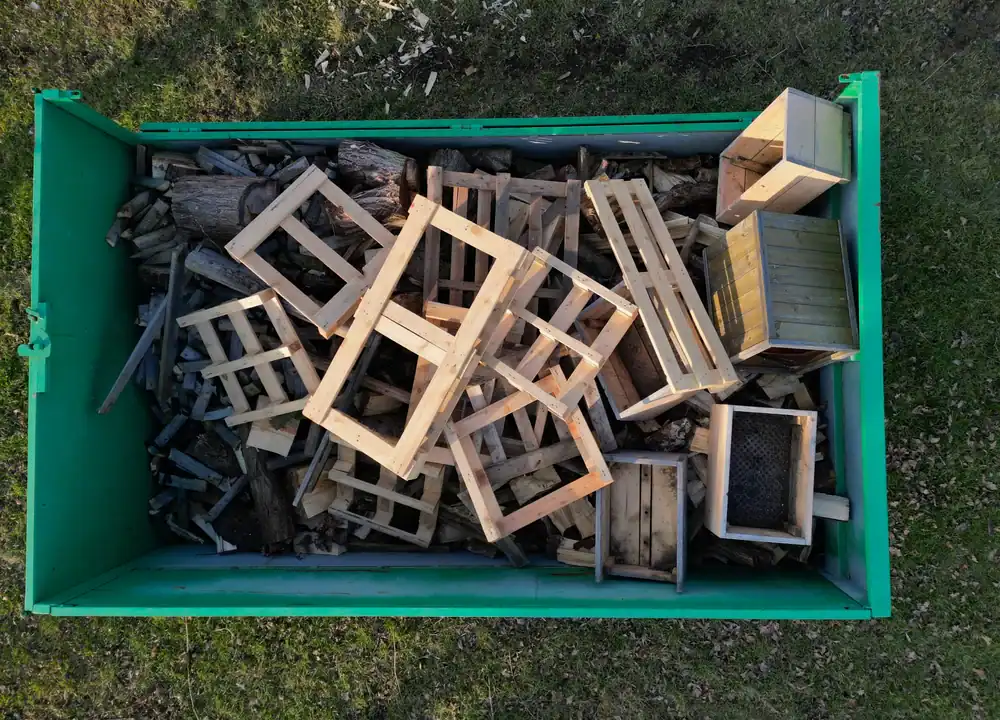
Wooden pallets and crates for recycling or storage, stacked in a green skip.
Your pallets sit in storage for a few weeks. Everything looks fine. Then you notice it—discoloration creeping across the wood, a musty smell, structural weakness you didn’t see coming. By the time mold shows up, it’s already living inside the wood, and the damage is done. In New Jersey, humidity doesn’t just make summers uncomfortable. It destroys wood integrity, compromises product safety, and turns your logistics into a liability. Winter isn’t any easier—freeze-thaw cycles crack boards, warp surfaces, and create moisture pockets that feed the next round of mold growth. If you’re moving goods in Monmouth County, seasonal shifts aren’t background noise. They’re a direct threat to your bottom line. Here’s what you need to understand about protecting your pallets and your inventory year-round.

Why New Jersey's Climate Is Hard on Wood Pallets

New Jersey sits in a humid subtropical zone with weather that swings hard between extremes. Summers bring humidity levels that regularly hit 85%, while winter delivers freeze-thaw cycles that stress wood at the cellular level. The state sees about 47 inches of precipitation annually, and Monmouth County gets even more due to coastal proximity.

That’s not just weather trivia. It’s the environment your pallets live in, and wood doesn’t handle it well. High humidity means moisture in the air gets absorbed into untreated or improperly stored wood. Once moisture content climbs above 19%, you’ve created the ideal breeding ground for mold spores that are already floating around your warehouse or storage yard.

Winter adds another layer. When temperatures cycle above and below freezing, moisture trapped in wood expands and contracts. That leads to cracking, warping, and structural weakness that makes pallets unsafe to use and unreliable under load.

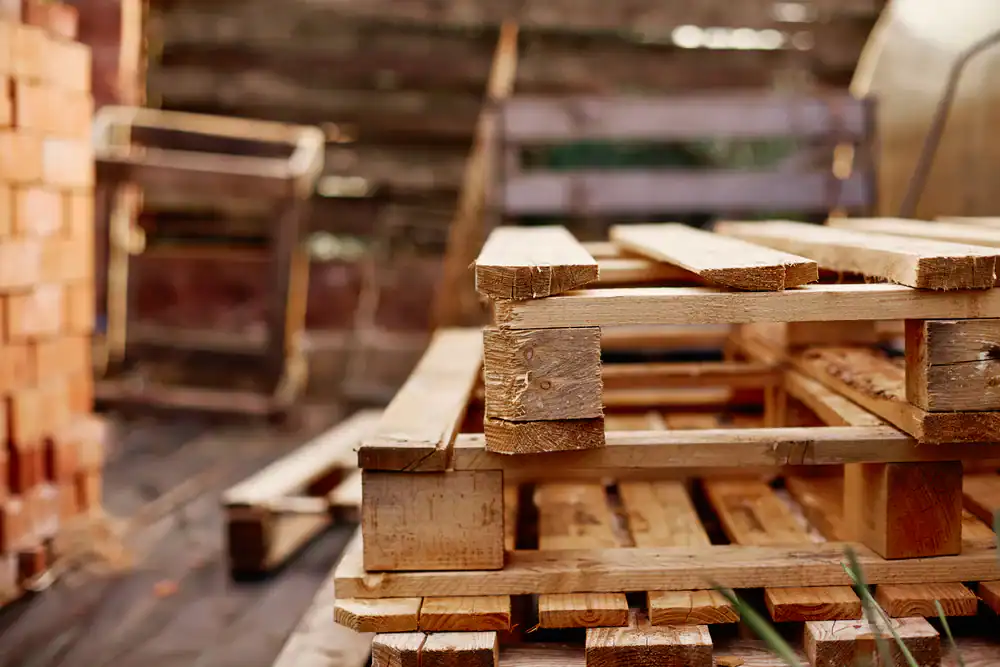
Stacked wooden pallets in a rustic warehouse setting, ready for shipping or storage.

How Mold Growth Happens Faster Than You Think

Mold doesn’t need much time. Give it moisture, oxygen, the right temperature range, and a food source like wood, and spores can germinate in 24 to 48 hours. That’s two days from exposure to active contamination.

Here’s the part that catches businesses off guard: you can’t see mold working until it’s already established. By the time discoloration appears on the surface, the fungus is living between the wood cells, feeding on sugars and proteins stored inside. Brushing it off or scraping the surface doesn’t solve anything. The mold is still there, still producing spores, still spreading.

In New Jersey, the risk spikes in spring and summer. Businesses that stayed vigilant through winter often relax when the weather warms up, but that’s exactly when conditions become perfect for mold. Warm temperatures combined with high humidity create an environment where untreated or poorly stored pallets can go from clean to contaminated in a matter of days.

The consequences aren’t just cosmetic. Moldy pallets can contaminate the products they carry. If you’re shipping food, pharmaceuticals, or anything with strict safety standards, one batch of compromised pallets can trigger rejections, recalls, and expensive cleanup. Starbucks once filed a $5.3 million lawsuit against a pallet supplier over mold contamination that destroyed coffee inventory. That’s the scale of risk we’re talking about.

And it’s not just about the products. Mold spores become airborne. Workers with asthma or respiratory sensitivities face real health risks in environments where mold is present. Even for healthy workers, prolonged exposure isn’t something to ignore.

The key factor in all of this is moisture content. Wood that stays below 19% moisture won’t support mold growth. But keeping wood dry in New Jersey’s climate requires more than hoping for good weather. It requires intentional storage practices and an understanding of how seasonal shifts affect your inventory.

What Winter Does to Wood Pallet Durability

Winter in Monmouth County isn’t just cold. It’s a cycle of freezing, thawing, precipitation, and temperature swings that put constant stress on wood pallets. When water gets into wood and then freezes, it expands. When it thaws, it contracts. Repeat that process over weeks and months, and you get cracks, splits, and warping that compromise structural integrity.

Pallets stored outdoors face the worst of it. Snow accumulation, ice formation, and rain exposure all introduce moisture that wood absorbs. Even pallets stored under cover aren’t immune if the storage area isn’t properly ventilated or if they’re sitting directly on cold, damp concrete.

Here’s a problem many businesses don’t anticipate: closed trailers in winter. It seems like a smart move—keep pallets out of the elements by storing them in a trailer. But temperature fluctuations between day and night create condensation inside that enclosed space. You’ve essentially turned the trailer into an incubator for mold. The pallets stay damp, the air stays stagnant, and by the time you open that trailer in spring, you’re looking at a mold problem.

Winter also affects logistics beyond just the pallets themselves. New Jersey experiences 25 to 30 severe weather days each year, including snow, ice, and wind events that disrupt transportation. If your pallets are already compromised from poor winter storage, you’re compounding the risk when they finally get loaded and shipped. Weak boards crack under weight. Warped surfaces don’t stack evenly. Products shift, fall, or get damaged in transit.

The businesses that avoid these issues are the ones treating winter storage as seriously as they treat summer humidity. That means keeping pallets off the ground, ensuring airflow, avoiding prolonged exposure to moisture, and inspecting inventory regularly for signs of damage before it becomes a bigger problem.

Proper winter pallet management isn’t about surviving one cold snap. It’s about maintaining wood quality through months of challenging conditions so your logistics don’t fail when you need them most.

Want live answers?

Connect with a Pallet Kings expert for fast, friendly support.

Wood Pallet Storage Tips That Actually Prevent Damage

Storage isn’t just about finding space. It’s about creating conditions that keep wood dry, stable, and usable. In New Jersey’s climate, that requires attention to ventilation, moisture control, and how pallets are positioned.

Start with the basics: keep pallets off the ground. Direct contact with concrete or dirt allows moisture to wick up into the wood. Use racking, dunnage, or raised platforms that allow air to circulate underneath. Airflow is one of your best defenses against mold because it prevents moisture from accumulating.

If you’re storing pallets outdoors, cover them with waterproof tarps, but don’t seal them completely. You need airflow. A tarp that traps moisture underneath is worse than no cover at all. Position outdoor storage in areas with good drainage so water doesn’t pool around the pallets after rain or snow.

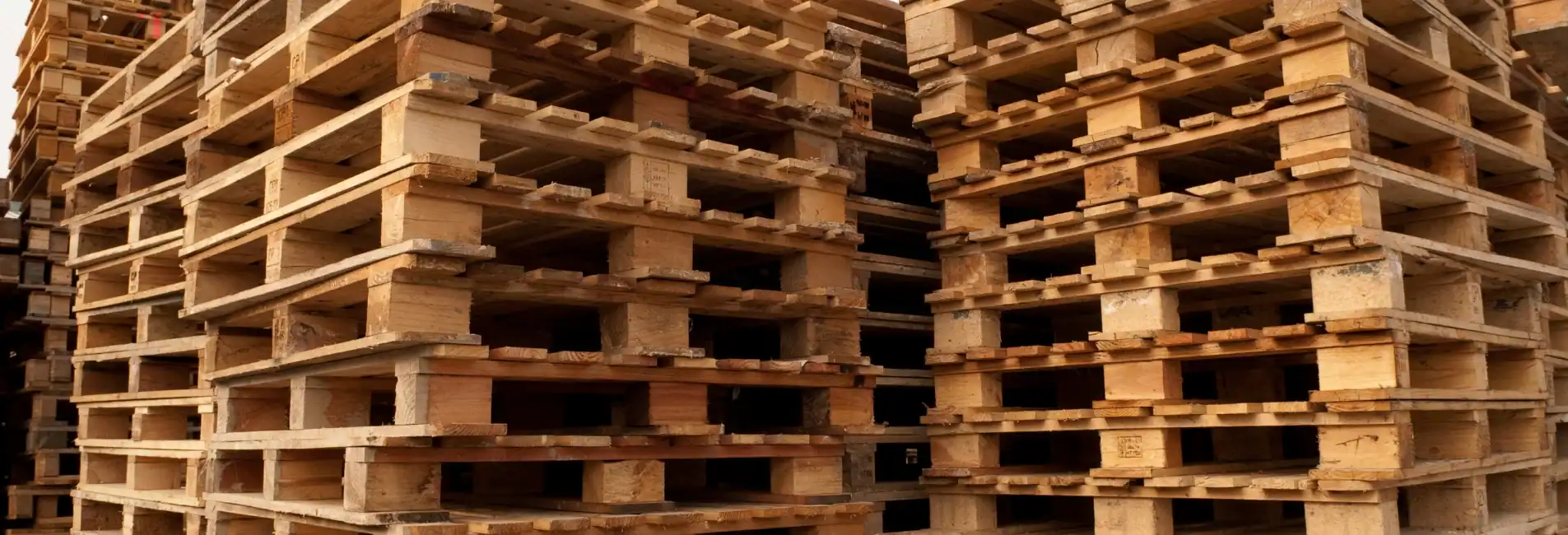
Stacked wooden pallets and lumber at Pallet Kings for shipping and industrial use.

Why Ventilation and Lighting Matter More Than You Think

Stagnant air is mold’s best friend. Even a small amount of air movement increases evaporation and reduces the moisture that mold needs to grow. If you’re storing pallets in a warehouse, use fans to keep air circulating. It doesn’t take much—just enough to prevent pockets of damp, still air from forming.

Lighting plays a role too, and not just for visibility during inspections. Well-lit storage areas make it easier to spot early signs of mold or moisture damage before they spread. Some UV lighting can even inhibit mold growth, though it’s not a replacement for proper storage practices. The real value of good lighting is that it encourages regular inspection. When you can see what’s happening with your inventory, you catch problems early.

Temperature control matters in enclosed spaces. If you’re storing pallets in a climate-controlled warehouse, aim to keep humidity levels below 60%. Above that threshold, the risk of mold contamination increases significantly. Dehumidifiers can help in enclosed areas where natural ventilation isn’t sufficient.

And here’s a critical detail many businesses overlook: pallet turnover. One of the most effective ways to prevent mold is simply using your pallets before they sit long enough to develop problems. Quick inventory rotation means pallets spend less time in storage and more time in circulation, which reduces exposure to the conditions that cause mold growth.

For businesses that generate pallets regularly but don’t use them immediately, consider scheduling pickups or deliveries that align with your actual usage patterns. Storing 20 to 30 pallets for a quarterly pickup is smarter than letting them accumulate in less-than-ideal conditions for months.

Don’t store pallets in closed trailers overnight, especially during temperature swings. The condensation that forms inside creates exactly the damp environment you’re trying to avoid. If trailer storage is unavoidable, make sure it’s well-ventilated and only for short durations.

Moisture Content and Why 19% Is the Number That Matters

Wood with a moisture content below 19% won’t support mold, mildew, decay, or fungal attack. That’s the threshold. Above 19%, you’re in the danger zone where mold spores can take hold and spread.

Fresh-cut wood can have moisture content as high as 70% or more—what the industry calls “green” wood. That’s why kiln-dried lumber is preferred for pallets. The kiln-drying process reduces moisture content to levels that resist mold growth. But here’s the catch: even kiln-dried wood can absorb moisture if it’s stored improperly or exposed to rain, snow, or high humidity.

That’s why monitoring matters. Businesses serious about pallet quality use moisture meters to check wood content regularly. It’s a simple tool that gives you a clear answer about whether your pallets are in the safe zone or creeping toward contamination risk.

Heat treatment is often confused with moisture control, but they’re not the same thing. Heat treatment is designed to kill insects and pests for export compliance, not to dry the wood or prevent mold. In fact, heat treatment can actually draw internal moisture to the surface of the wood, which can make mold problems worse if the pallets aren’t stored properly afterward.

If you’re looking for pallets for sale in Monmouth County, ask about moisture content and storage conditions before the pallets reach you. A supplier who understands seasonal logistics and moisture management will have answers. One who doesn’t is handing you a future problem.

The same applies to your own storage practices. If you’re receiving pallets and then holding them before use, you’re responsible for maintaining that low moisture content. That means dry, ventilated storage and protection from the elements. It also means not letting pallets sit in damp areas, on wet floors, or in environments where condensation is likely.

Wood is hygroscopic—it absorbs and releases moisture based on the surrounding environment. In New Jersey’s humid summers, untreated wood will pull moisture from the air. In winter, temperature swings and precipitation add moisture directly. Your storage setup needs to account for both scenarios.

Protecting Your Pallets Means Protecting Your Business

Seasonal shifts in New Jersey aren’t going away. Humidity, freeze-thaw cycles, and unpredictable precipitation are part of doing business here. But wood pallet damage doesn’t have to be.

The difference between pallets that last and pallets that fail comes down to understanding moisture, ventilation, and storage practices that match the climate you’re working in. It’s about keeping wood below that 19% moisture threshold, ensuring airflow prevents mold growth, and treating winter storage with the same seriousness as summer humidity.

When you get it right, your logistics stay reliable. Your products stay safe. Your costs stay predictable. When you don’t, you’re looking at contaminated inventory, rejected shipments, and the kind of expensive problems that could have been prevented with better planning.

If you’re managing pallets in Monmouth County and want to avoid the costly consequences of seasonal damage, we understand how New Jersey’s climate affects wood integrity and we implement the storage protocols that keep your inventory protected year-round.

Summary:

New Jersey’s humid summers and harsh winter cycles create the perfect conditions for wood pallet deterioration. Mold growth, moisture damage, and freeze-thaw warping can cost businesses thousands in damaged inventory and rejected shipments. This guide explains how seasonal weather impacts wood pallet integrity and what Monmouth County businesses need to know about protecting their logistics operations. From understanding moisture thresholds to implementing year-round storage strategies, you’ll learn practical ways to prevent costly pallet failures before they happen.

Article details:

Share: