Beyond the Bin: 4 Ways Pallet Recycling Boosts Your Company’s ESG Score in New Jersey

New Jersey businesses are turning to pallet recycling to meet ESG targets, reduce landfill waste, and demonstrate environmental leadership to stakeholders.

Pallet Kings wood pallet recycling sign with stacked pallets in background.
Your sustainability report is due next quarter, and stakeholders want to see real environmental impact—not just good intentions. If you’re a New Jersey business leader feeling the pressure to improve your ESG metrics, you’re not alone. The solution might be simpler than you think, and it’s probably sitting in your warehouse right now. Pallet recycling isn’t just about clearing storage space. It’s become a strategic tool for companies serious about environmental stewardship and corporate responsibility. Here’s how the right approach can transform your ESG performance while delivering measurable business value.

How Pallet Recycling Directly Improves Environmental ESG Metrics

Environmental sustainability is a vital component of all ESG initiatives, and pallet recycling delivers quantifiable results that strengthen your environmental score. When you implement a structured recycling program, you’re addressing multiple sustainability challenges simultaneously.

Recycling just 1,000 pallets can save approximately 20 cubic yards of landfill space and prevent methane emissions from decomposing wood. This isn’t theoretical—it’s measurable impact you can document in sustainability reports. Your recycler should quantify your organization’s environmental sustainability impact with concrete data points.

The numbers matter because pressure comes from multiple directions, including regulators, investors and large customers who expect documented environmental progress.

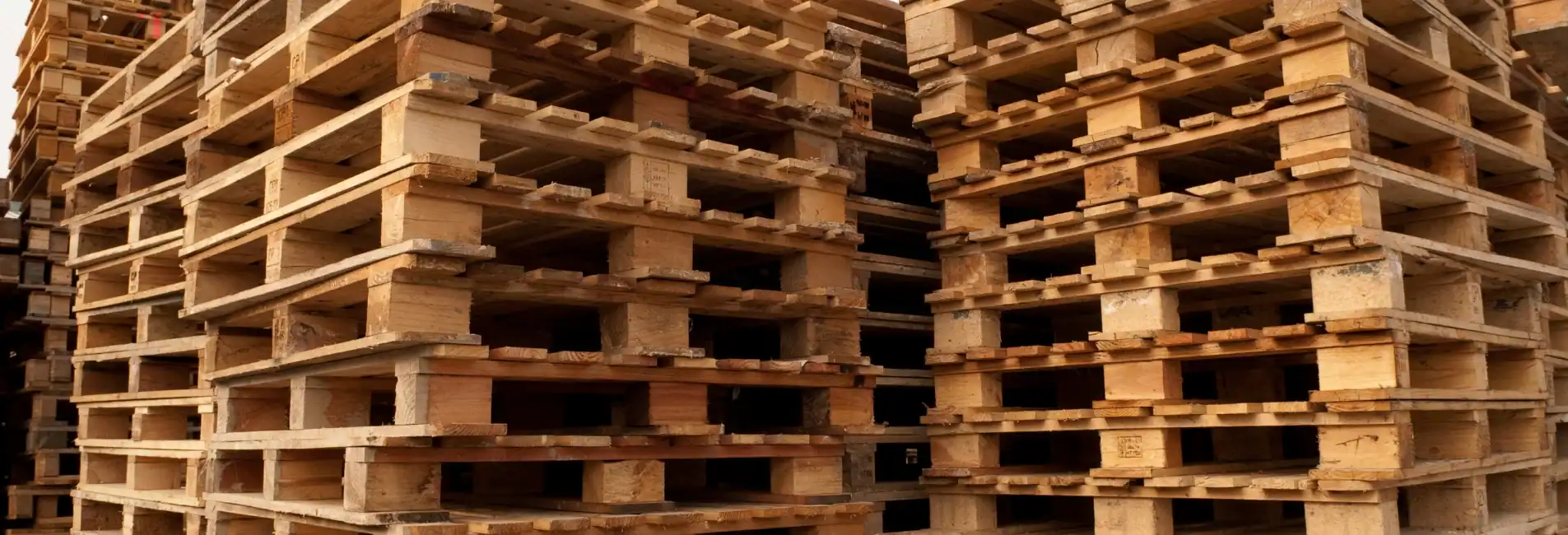
Pallets stacked outdoors for shipping and storage at Pallet Kings.

Waste Diversion That Actually Moves the Needle

Wood made up 8.7% of all American waste sent to landfills in 2017, making pallet recycling a significant opportunity for waste reduction. But here’s what most businesses miss: the scale of impact available through systematic recycling programs.

Over 350 million pallets are reused by pallet users and less than 1% of recovered pallets go into landfill sites when proper recycling systems are in place. This demonstrates the potential for dramatic waste diversion when companies commit to structured programs.

For New Jersey businesses, this translates to meaningful ESG improvements. A major U.S. retailer implemented a nationwide wood pallet recycling program, diverting 3 million pallets annually from landfills and generating $10 million in revenue from recycled materials. The dual benefit of environmental impact and cost recovery makes pallet recycling particularly attractive for ESG-focused companies.

The key is working with recycling partners who can provide detailed tracking and reporting. Partnering with a pallet recycler that collects and reports on relevant data gives your team valuable insights while holding your recycler accountable to program expectations. This documentation becomes essential for ESG reporting and stakeholder communications.

Your environmental metrics improve across multiple categories: waste reduction, resource conservation, and carbon footprint reduction. Using recycled pallets lowers the need for new manufacturing, which means less energy is used and fewer emissions are released. Each recycled pallet represents avoided environmental impact from timber harvesting, transportation, and manufacturing processes.

Forest Conservation Impact That Stakeholders Notice

The forest conservation angle of pallet recycling creates compelling ESG narratives that resonate with stakeholders and investors. Wood pallets represent a whopping 50% of America’s hardwood consumption annually, making recycling programs directly relevant to deforestation concerns.

Recycling 350 million pallets every year results in a saving of 43.5 million trees annually through reduced demand for virgin timber. This scale of forest conservation impact provides substantial material for sustainability reporting and stakeholder communications.

Recycling reduces the need for new wood, decreasing deforestation, which is a significant threat to biodiversity. Forests are home to 80% of the world’s terrestrial species, and their destruction leads to habitat loss. This connection between pallet recycling and biodiversity protection strengthens your environmental story.

New Jersey companies can leverage this forest conservation impact to demonstrate alignment with broader environmental goals. New Jersey Resources committed $2 million through its Coastal Climate Initiative for environmental stewardship efforts in New Jersey, showing how local businesses are prioritizing environmental leadership.

The documentation is straightforward: track pallets recycled, calculate trees saved using industry conversion factors, and report the forest conservation impact in your ESG metrics. The process of recycling pallets conserves natural resources, such as timber, reducing the need for deforestation and helping to combat soil erosion.

This forest conservation narrative becomes particularly powerful when combined with cost savings data, showing stakeholders that environmental responsibility aligns with business efficiency.

Want live answers?

Connect with a Pallet Kings expert for fast, friendly support.

Cost Savings That Strengthen Your Business Case for Sustainability

ESG initiatives often face internal resistance due to perceived costs, but pallet recycling flips this dynamic entirely. A study by Virginia Tech found that recycling pallets can cut waste management expenses by up to 50%, creating immediate financial benefits alongside environmental improvements.

The cost of recycled pallets is significantly lower when compared to new ones, offering financial advantages for businesses while being environmentally responsible. This cost structure makes pallet recycling programs self-sustaining rather than expense centers.

The financial benefits extend beyond direct cost savings. You can avoid paying to have pallets sent to landfill, extend pallet life through regular repair and maintenance, and some companies will pay you for your unwanted pallets.

Wooden pallets and crates for recycling or storage, stacked in a green skip.

Revenue Generation Through Strategic Recycling Programs

Smart pallet recycling programs don’t just reduce costs—they generate revenue. The major retailer’s initiative not only reduced waste but also generated $10 million in revenue from recycled materials, demonstrating the profit potential of well-structured programs.

By working closely with manufacturers, distribution centers and warehouses to buy excess and unwanted pallets, we assist in increased productivity and provide a new revenue stream. This creates a business model where environmental responsibility directly contributes to financial performance.

For New Jersey businesses, this revenue generation aspect strengthens the ESG business case internally. “There is a huge amount of cost savings that comes with reusing packaging materials. Every piece of packaging material has a dollar sign attached to it”, making the financial argument for sustainability programs compelling.

The key is partnering with recycling companies that offer transparent pricing and reliable pickup services. You receive payment for qualifying pallets, typically requiring truck-load quantities of standard sizes, making volume management an important consideration for maximizing revenue.

Revenue generation also supports program sustainability over time. When ESG initiatives pay for themselves through operational savings and revenue generation, they become permanent parts of business operations rather than budget line items subject to cuts during economic downturns.

Operational Efficiency Gains That Support Long-Term Sustainability

Reusing pallets can streamline logistics operations. Standardized, refurbished pallets ensure compatibility with existing handling equipment and systems, reducing downtime and increasing efficiency. This operational efficiency directly supports sustainability goals by reducing resource waste and improving productivity.

Operational capabilities add flexibility and long-term success to your program. Your pallet recycler should have the capabilities to handle large volumes at all times and adjust to changing conditions without drastically impacting the value of your program.

The efficiency gains extend to warehouse management and space utilization. Recycling prevents pallet pile-ups that clutter warehouses and create fire hazards, improving workplace safety while supporting environmental goals.

For businesses managing multiple facilities across New Jersey, standardized recycling programs create operational consistency. Relogistics helps mitigate losses by managing reusable materials, ensuring they’re sorted, repaired, and put back into circulation, benefiting customers from both a dollar standpoint and a sustainability standpoint.

These operational improvements support long-term ESG performance by creating systems that naturally promote resource efficiency. When sustainability practices improve operational efficiency, they become embedded in daily operations rather than additional requirements that compete with productivity goals.

Building Competitive Advantage Through ESG Leadership in New Jersey

Using recycled pallets boosts your company’s sustainability credibility, especially when customers or partners require documented green sourcing, and switching to cost-effective pallet recycling is about driving long-term operational value. In New Jersey’s competitive business environment, ESG leadership creates differentiation that matters to customers, partners, and investors.

By adhering to regulations, companies can position themselves as environmentally conscious leaders, attracting partners and clients who value sustainability as part of their corporate responsibility. This positioning becomes increasingly valuable as the largest pallet operators report that 30% of their customers now require sustainability reporting.

The competitive advantage extends beyond customer relationships. Integrating recycling into ESG strategies aligns businesses with global sustainability goals and strengthens their competitive advantage, creating long-term market positioning benefits.

Ready to transform your pallet management into a competitive ESG advantage? We understand the unique sustainability challenges facing New Jersey businesses and can help you develop recycling programs that deliver measurable environmental and financial results.

Summary:

Corporate sustainability isn’t optional anymore—it’s essential for business success. New Jersey companies are discovering that pallet recycling offers a practical path to improve ESG scores while reducing costs. This comprehensive guide reveals four strategic ways pallet recycling programs boost your environmental metrics. You’ll learn how to transform waste management into competitive advantage and meet growing stakeholder expectations for sustainability reporting.

Article details:

Share: