Pallet Disposal Guide: Streamlining Warehouse Efficiency

High-volume warehouses face constant pallet accumulation that clogs docks and slows operations. Learn how strategic pallet disposal clears space, cuts costs, and keeps your facility running efficiently.

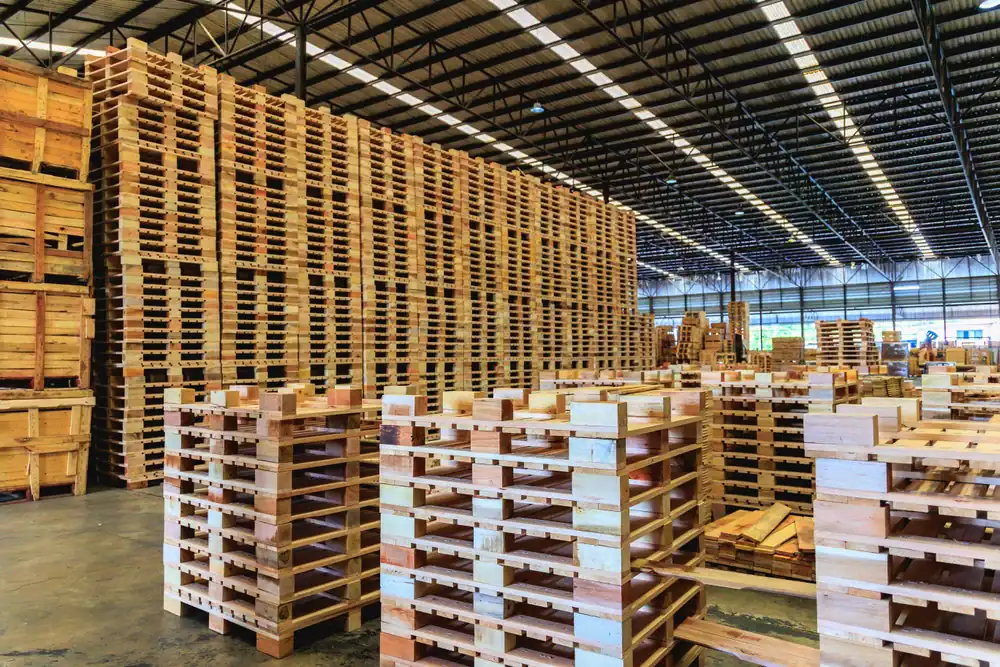
Stacked wooden pallets in a rustic warehouse setting, ready for shipping or storage.
Your loading dock shouldn’t double as a pallet storage yard. When pallets stack up faster than they leave, you’re not just losing floor space—you’re creating bottlenecks that slow every truck, every shipment, every operation that depends on that dock being clear and accessible. Most warehouse managers in Monmouth County know this frustration. The pallets arrive with inbound freight, they accumulate throughout the day, and before long you’re playing Tetris with forklifts just to navigate the area. It’s a safety issue, an efficiency problem, and honestly, it’s costing you more than you might realize. This guide breaks down practical pallet disposal strategies specifically designed for high-volume operations. You’ll see how drop-trailer logistics and scheduled pickup programs actually work in real warehouse environments, and why the right disposal approach does more than just clear space.

Why Warehouse Pallet Disposal Matters More Than You Think

Pallet disposal isn’t glamorous work. It doesn’t show up in your quarterly reports or get mentioned in operations meetings. But inefficient pallet management quietly drains resources every single day.

Cluttered docks slow truck turnaround times. When drivers wait an extra 20 minutes because your warehouse dock is congested with pallet stacks, those delays compound across every delivery. Your staff spends time moving pallets around instead of focusing on actual warehouse operations. And broken pallets with protruding nails create legitimate safety hazards that increase your liability exposure.

The real cost shows up in wasted space. Every square foot occupied by pallet stacks is space you can’t use for inventory, staging, or efficient material flow. For warehouses operating on tight margins, that unused space represents lost capacity you’re already paying for in rent or mortgage costs.

Wooden pallets and crates for recycling or storage, stacked in a green skip.

Dock Congestion and Safety Risks from Poor Pallet Management

Think about your typical receiving process. Trucks arrive, pallets get unloaded, products move to staging or storage, and empty pallets… stay at the dock. By midday, you’ve got stacks forming. By end of shift, those stacks are blocking dock doors or forcing forklifts to take longer routes around them.

This isn’t just inconvenient. Dock congestion is cited as the primary efficiency challenge in 27% of distribution centers, with the receiving dock being the most congested area. When your dock becomes a storage zone instead of a throughput zone, everything downstream suffers.

Forklift operators waste time navigating around obstacles. Your team makes extra trips moving pallets from one temporary spot to another. Trucks can’t back in smoothly because the approach is cluttered. Each of these small inefficiencies adds minutes to processes that happen dozens of times per day.

The safety angle matters too. OSHA data shows that 25% of all warehouse injuries occur at the loading dock. Broken pallets, unstable stacks, and cluttered pathways all contribute to trip hazards and forklift accidents. When pallet stacks exceed safe heights or aren’t properly interlocked, they become tipping hazards. You’re not just dealing with an organization problem—you’re managing genuine workplace safety risks that come with liability and workers’ comp implications.

And here’s what many operations don’t consider: the financial impact of detention fees. When trucks sit waiting because your dock is backed up, carriers charge detention fees that can run $50-100 per hour. Those charges add up fast when pallet congestion is causing delays across multiple shipments per day. Efficient warehouse dock clearing directly impacts your bottom line by reducing these avoidable costs.

Commercial Pallet Removal: What Happens After Pickup

Not all pallets are trash. That’s the first thing to understand about commercial pallet removal. When you work with a proper pallet disposal service, your pallets get sorted based on condition, and that sorting determines what happens next.

Pallets in good condition—structurally sound with minimal damage—get cleaned up and resold to other businesses that need them. Standard 48×40 GMA pallets in decent shape can be worth $3 to $8 each. If you’re generating 200 pallets per week, that’s potential revenue of $600 to $1,600 instead of paying disposal fees. This is why we offer free pickup for bulk quantities—we’re not doing you a favor, we’re acquiring inventory.

Damaged pallets that can be repaired go through reconditioning. Broken boards get replaced, loose stringers get reinforced, and the pallet gets a second life. This repair process is more cost-effective than manufacturing new pallets, which is why there’s a market for pallets that just need some work.

Pallets beyond repair don’t end up in landfills when you use responsible pallet disposal services. The lumber gets broken down for wood recycling—turned into mulch, biomass fuel, or raw material for other wood products. Even metal components like nails get separated and recycled. This approach to warehouse waste management keeps materials in circulation instead of sending them to landfills.

This sorting process is why legitimate pallet removal services can often provide free pickup for bulk quantities. We’re running a business where pallets have value at various condition levels. Your “waste” is our inventory.

The exception is contaminated pallets. If pallets have been exposed to hazardous materials or chemicals, they require special disposal following environmental regulations. These typically can’t be recycled and need proper hazardous waste handling.

Understanding this sorting process helps you make smarter decisions about pallet disposal. Instead of treating all pallets as garbage and paying dumpster fees, you can work with services that extract value from different pallet conditions while handling the actual waste responsibly.

Want live answers?

Connect with a Pallet Kings expert for fast, friendly support.

Drop-Trailer Service vs Scheduled Pallet Pickup

Warehouse pallet disposal typically comes down to two main logistics approaches: drop-trailer service or scheduled pickup. Your volume, space, and operational rhythm determine which makes more sense for your facility.

Drop-trailer service means a 53-foot trailer stays on your property. You load pallets into it throughout the week at whatever pace works for your operation. When it’s full, one call gets it swapped for an empty trailer. This approach works well for high-volume generators who accumulate pallets constantly and have space to park a trailer.

Scheduled pallet pickup is exactly what it sounds like—regular pickups on a set schedule, whether that’s weekly, bi-weekly, or monthly. We show up with a truck, load your accumulated pallets, and leave. This works better for operations with predictable pallet generation and limited space for a permanent trailer.

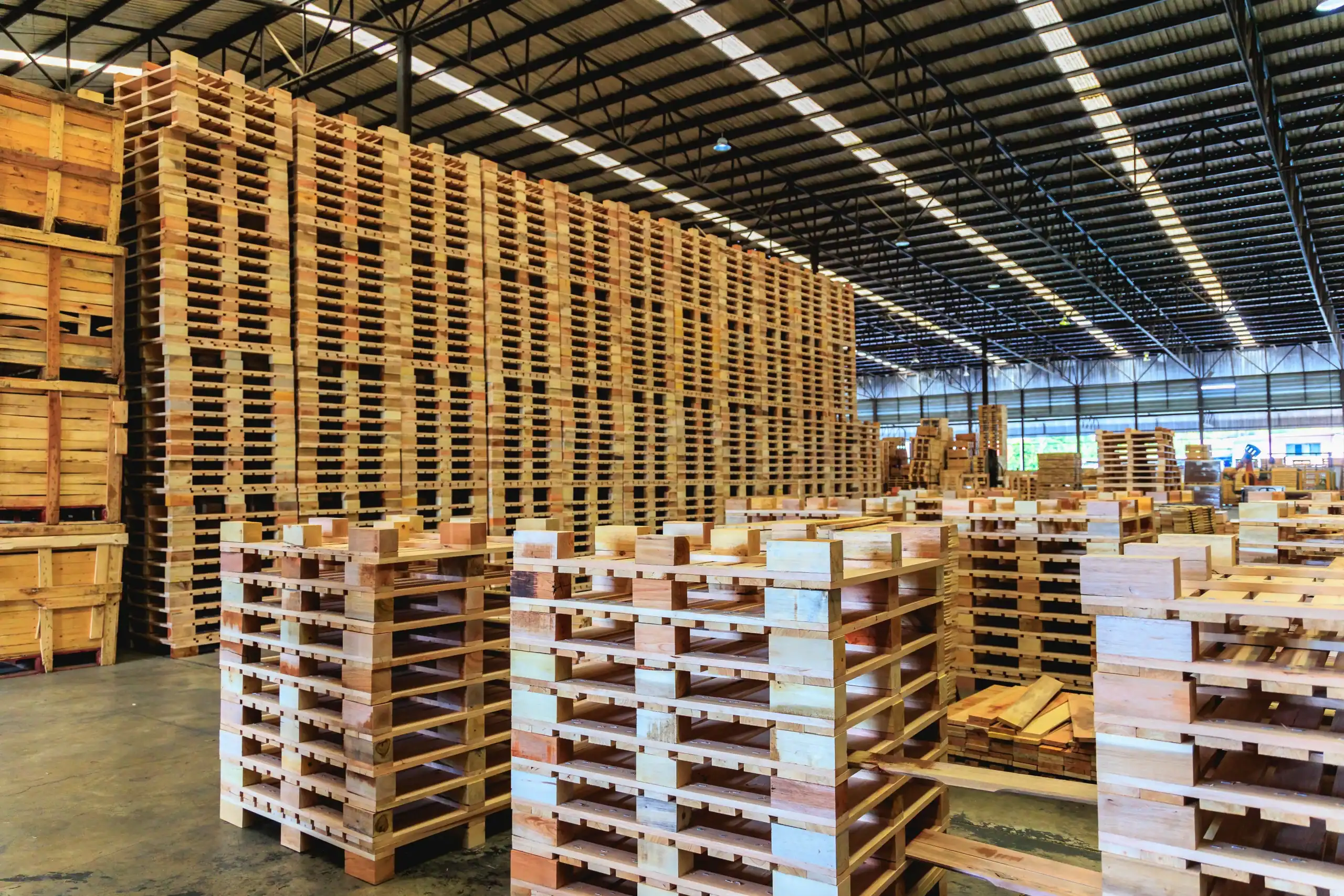
Stacked wooden pallets in a warehouse environment for industrial shipping and logistics.

When Drop-Trailer Pallet Disposal Works Best

Drop-trailer service shines in high-volume warehouse environments. If you’re generating 100+ pallets per week, having a dedicated trailer on-site eliminates the coordination hassle of timing pickups perfectly.

The main advantage is flexibility for warehouse dock clearing. Your team loads pallets whenever it’s convenient—during slow periods, at shift changes, or immediately after unloading to keep the dock clear. You’re not waiting for a scheduled window or letting pallets accumulate because pickup day isn’t until next week. This continuous pallet disposal approach prevents the buildup that leads to dock congestion.

A standard 53-foot trailer holds approximately 600 pallets. For operations generating significant pallet volume, this capacity means less frequent swaps and more predictable logistics. You fill at your pace, call when you’re ready, and get a fresh trailer dropped off during the swap.

Space is the main consideration. You need room to park a semi-trailer, ideally near your dock area for easy forklift access. The trailer becomes a temporary extension of your facility—essentially a staging area specifically for pallet disposal. Many Monmouth County, NJ warehouses with outdoor space find this arrangement works perfectly for their operations.

The cost structure typically favors drop-trailer service for high-volume generators. Since you’re providing consistent, large quantities of pallets, we can offer better terms. We provide the trailer placement free of charge because the volume justifies our logistics costs. You’re essentially getting free on-site storage for your pallet waste.

One practical detail: you’ll want a forklift or pallet jack capable of loading the trailer. Most drop-trailer programs assume you have the equipment to handle this yourself. If you don’t, scheduled pickup with live loading might be a better fit for your commercial pallet removal needs.

Security matters too. An unlocked trailer on your property could attract unauthorized dumping or theft. Make sure you have a plan for securing the trailer, whether that’s keeping it in a gated area or using trailer locks.

Scheduled Pallet Pickup: How It Works for Warehouses

Scheduled pallet pickup makes sense when your pallet generation is moderate or you lack space for a permanent trailer. Instead of on-site storage, you accumulate pallets in a designated area and we pick them up on a regular schedule.

The typical minimum for free scheduled pickup is 50 to 400 pallets, depending on your location in Monmouth County, NJ and current market conditions. Below that threshold, you might pay a trucking charge of $50 to $150 per pickup. This isn’t a penalty—it’s just logistics reality. Sending a truck for 20 pallets doesn’t pencil out economically for pallet disposal services.

Response time for scheduled pickups usually runs 24 to 48 hours for standard requests. If you have an urgent need—maybe you’re clearing space for a major shipment or dealing with an unexpected accumulation—same-day service is often available, though it might come with additional charges.

The coordination is straightforward. You contact us when you’ve accumulated enough pallets for pickup. We schedule a window, show up with a truck, and handle the loading. Your team just needs to have the pallets accessible and staged where the truck can reach them. This approach to warehouse waste management requires minimal effort from your staff.

One advantage of scheduled pickup is that you don’t need dedicated space for a trailer. Your pallets accumulate in whatever staging area you designate, and they’re gone completely after each pickup. This works well for facilities with limited outdoor space or those that can’t accommodate a semi-trailer on-site.

The challenge is timing. If you schedule pickups too infrequently, pallets accumulate and create the exact dock congestion you’re trying to avoid. Schedule too frequently and you’re paying for pickups before you’ve hit minimum quantities. Finding the right rhythm takes a few cycles to dial in based on your actual pallet generation patterns.

Many operations use a hybrid approach for warehouse dock clearing. They schedule regular pickups for baseline volume—say, every two weeks—and then call for additional pickups when volume spikes. This gives you consistency with flexibility for exceptions. It’s a practical middle ground that adapts to seasonal fluctuations or unexpected high-volume periods.

Choosing the Right Pallet Disposal Solution

Efficient pallet disposal isn’t complicated, but it does require a systematic approach. The right solution depends on your volume, your space, and how quickly pallets accumulate in your operation.

Drop-trailer service gives you maximum flexibility if you have the space and volume to support it. Scheduled pallet pickup works when your needs are more moderate or your facility can’t accommodate a permanent trailer. Either way, the goal is the same: keep your dock clear, maintain operational flow, and handle pallets in a way that makes financial sense.

The warehouses that handle this well aren’t doing anything revolutionary. They’ve just stopped treating pallet disposal as an afterthought and started managing it like any other operational process. When you do that, the benefits show up in clearer docks, safer work environments, and operations that run without pallet-related interruptions.

If you’re ready to streamline how your Monmouth County, NJ warehouse handles commercial pallet removal, we offer both drop-trailer and scheduled pickup services designed specifically for high-volume operations. Reach out to discuss which approach fits your facility’s needs.

Summary:

Effective pallet disposal is essential for maintaining efficient warehouse operations in Monmouth County, NJ. When pallets accumulate faster than they’re removed, loading docks become congested, safety risks increase, and operational flow suffers. This guide explains practical pallet disposal strategies designed for high-volume facilities. You’ll discover how drop-trailer services and scheduled pickup programs keep docks clear, reduce workplace hazards, and turn pallet waste into potential revenue. Whether you’re managing 50 pallets per week or 500, understanding your disposal options helps you make smarter decisions about warehouse waste management.

Article details:

Share: