The ROI of a Strong Pallet Supply: An Interactive Tool for NJ Inventory Managers

Calculate the true ROI of your pallet supply decisions with our interactive tool designed for New Jersey inventory managers.

Pallet jack lifting wooden pallet for moving heavy loads effectively.
You’re staring at another month-end report where pallet costs seem to keep climbing, but you’re not sure if you’re getting real value from your current supplier. Every inventory manager in Monmouth County faces this challenge—balancing cost control with the need for reliable, quality pallets that won’t fail when your operations depend on them most. The truth is, the cheapest pallet isn’t always the most cost-effective choice. What matters is understanding the total cost per use, load capacity efficiency, and how your pallet decisions ripple through your entire supply chain. Let’s break down exactly how to calculate the real ROI of your pallet supply strategy.

Understanding True Pallet Cost Per Use in New Jersey Operations

Most businesses focus on the upfront cost of pallets without considering the complete picture. Quality recycled and remanufactured pallets can save approximately 25% compared to new pallets, but the real savings come from understanding cost per use over the pallet’s entire lifecycle.

Your cost per use calculation needs to factor in durability, load capacity, and how many times you can safely reuse each pallet. A pallet that costs $15 but lasts through 50 cycles delivers better value than a $10 pallet that fails after 20 uses.

The key is tracking actual performance data from your operations rather than relying on supplier promises alone.

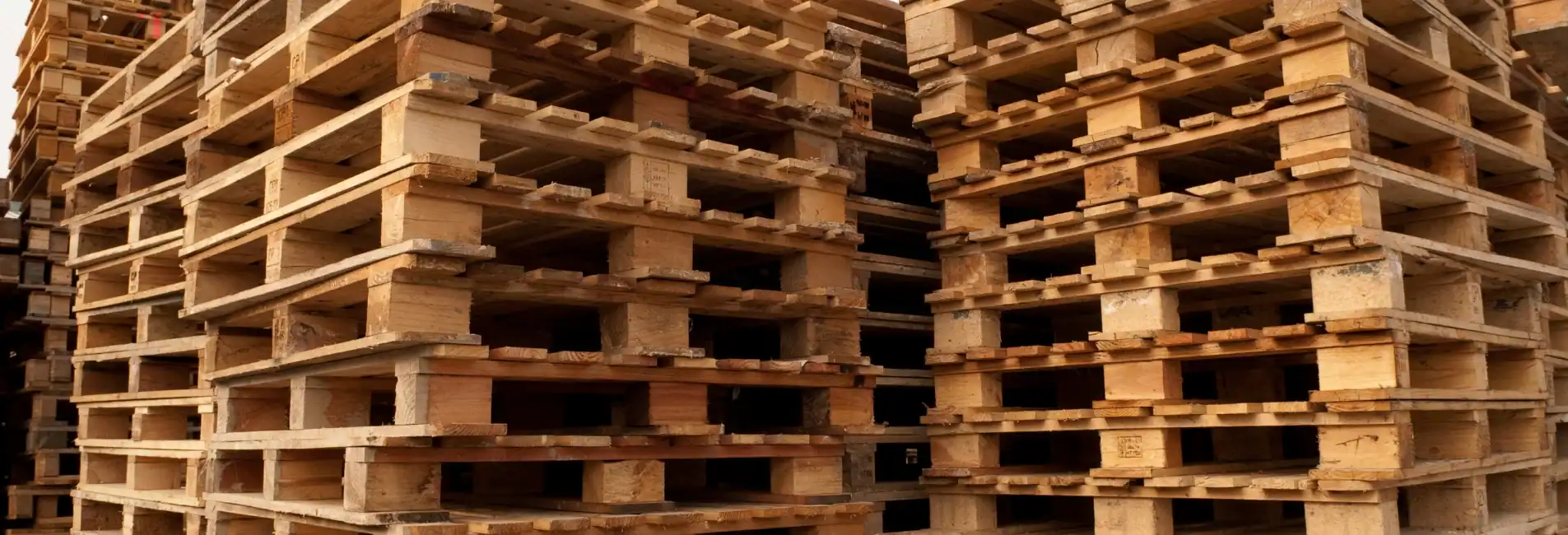
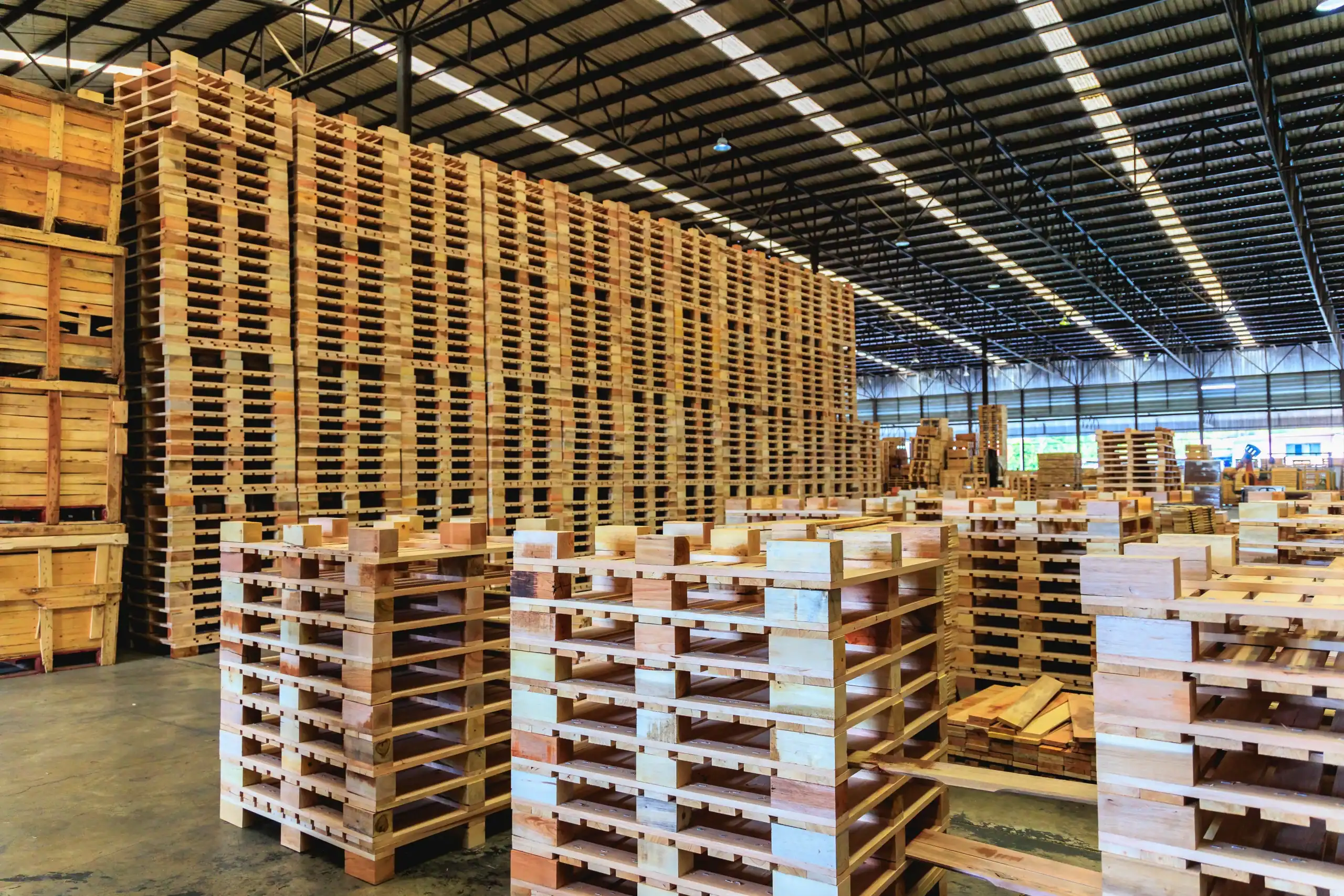
Stacked wooden pallets for shipping and storage at Pallet Kings.

Load Capacity Standards That Impact Your Bottom Line

A standard North American pallet (48×40 inches) can hold a maximum load of about 4,600 lb or 2087 kg, but this varies significantly based on pallet material, design, and condition. Understanding these limits isn’t just about safety—it’s about maximizing efficiency and avoiding costly failures.

To measure the correct load capacity of a pallet, the appropriate loading and support conditions need to be determined. The load capacity of pallets is highly dependent on the combination of their ultimate load, stiffness, and time dependent behavior. This technical reality translates directly to your operational costs.

When pallets fail under load, you’re not just replacing the pallet—you’re dealing with damaged inventory, potential safety incidents, production delays, and emergency replacement costs. Major retailers like Walmart require all pallets meet or exceed GMA Grade “A” pallet standards, setting the benchmark for quality expectations across supply chains.

The financial impact becomes clear when you calculate the cost of a single pallet failure. If a failed pallet damages $500 worth of product and causes 2 hours of production delay at $100 per hour, that’s $700 in losses from one inadequate pallet. Suddenly, investing in higher-quality pallets with verified load ratings makes perfect financial sense.

Smart inventory managers track failure rates by supplier and pallet type, using this data to make informed purchasing decisions that optimize both cost and reliability.

Supply Chain Efficiency Gains from Strategic Pallet Management

Inventory optimization is an efficiency-driving process that manages and positions inventory levels to satisfy customer demand at minimum cost. Optimization has become critical as companies navigate increasingly complex global supplier networks, volatile consumer demand, and rising storage costs.

Your pallet strategy directly impacts these broader supply chain efficiencies. Expert analysis of supply chain demands, pain points, and value-creation opportunities leads to implementation of programs with maximum efficiency. This isn’t just about the pallets themselves—it’s about how they integrate with your entire operation.

Consider the ripple effects: consistent pallet dimensions improve warehouse space utilization, reliable load capacity reduces handling time, and standardized specifications streamline your receiving and shipping processes. Optimized pallet transportation and distribution enhances your business’s supply chain management efficiently, creating measurable improvements in throughput and cost control.

The most successful operations treat pallets as integral components of their logistics system rather than commodity purchases. They work with suppliers who understand their specific operational requirements and can provide data-driven recommendations for continuous improvement.

When you optimize pallet specifications for your unique needs—whether that’s maximizing warehouse density, improving forklift efficiency, or reducing transportation costs—the cumulative savings often exceed 15-20% of total logistics costs.

Want live answers?

Connect with a Pallet Kings expert for fast, friendly support.

Calculating ROI from Quality Pallet Investments

The real ROI calculation goes beyond simple cost comparison. You need to factor in reliability, operational efficiency, and risk mitigation. High-quality pallets are less likely to break down at your warehouse, while in transit, or at customer locations. Anything less could lead to inventory breakage and additional fees for new pallets and repalletizing, costing you more money in the end.

Start by tracking your current total cost of ownership: initial pallet cost, replacement frequency, failure-related losses, and operational delays. Then compare this against the performance of higher-quality alternatives.

Most New Jersey businesses discover that investing in quality pallets delivers ROI within 6-12 months through reduced failures, improved operational efficiency, and lower total lifecycle costs.

Recycling wood pallets with industrial crusher machinery at Pallet Kings for eco-friendly disposal and repurposing.

Environmental and Cost Benefits of Pallet Recycling Programs

Most wooden pallets are made from “waste” lumber, which may not look good enough for furniture grade wood, but is just as strong. No trees are cut simply to make wooden pallets, so pallets don’t reduce our natural foliage. This environmental advantage translates to cost benefits when you implement a comprehensive recycling program.

Wooden pallets can be reused, recycled, repaired, or re-manufactured depending on their condition and quality. They are widely used because they are relatively cheap, durable, easy to handle, and environmentally friendly. The key is establishing systems to capture and maximize the value of pallets throughout their lifecycle.

Smart inventory managers in Monmouth County partner with suppliers who offer comprehensive pallet management programs. These programs recycle old pallets and accept scrap wood and landscaping debris from customers to create valuable resources, turning what was once a disposal cost into a revenue stream or cost offset.

The financial impact is significant. Instead of paying disposal fees for damaged pallets, you can often receive credit toward new pallet purchases. Some operations reduce their total pallet costs by 30-40% through effective recycling and reconditioning programs.

The environmental benefits also support corporate sustainability goals and can enhance your company’s reputation with environmentally conscious customers and partners.

Avoiding Common Inventory Management Pitfalls with Better Pallet Strategy

Ineffective planning can result in insufficient inventory levels, resulting in lost sales or excessive inventory and financial write-offs of obsolete stock. Your pallet supply strategy plays a crucial role in preventing these costly scenarios.

The only time you’re likely to consider your pallet supply is when you’re running short, and worrying about downtime costing you money, time and headaches. This reactive approach leads to emergency purchases at premium prices and operational disruptions that cascade through your entire supply chain.

Inventory that is misaligned with demand derails network operations, ties up working capital in costly overstock, and loses customers to low availability. The solution is implementing predictive pallet management that aligns with your broader inventory optimization strategies.

The most effective approach involves establishing minimum stock levels, automated reorder points, and backup supplier relationships. With capabilities like 24-hour delivery and extensive trailer fleet availability, the right supplier partnership ensures you never face emergency shortages.

Track key metrics like pallet inventory turns, stockout frequency, and emergency purchase costs. These indicators help you optimize your pallet inventory strategy just as you would any other critical component. The goal is maintaining adequate supply without tying up excessive working capital in pallet inventory.

Maximizing Your Pallet Investment ROI in Monmouth County, NJ

The most successful inventory managers treat pallet supply as a strategic investment rather than a commodity purchase. By focusing on total cost of ownership, load capacity optimization, and supply chain integration, you can achieve measurable improvements in both cost control and operational efficiency.

The key to effective inventory management is balance—maintaining adequate inventories to ensure smooth production and merchandising flows while simultaneously minimizing inventory investment to ensure firm financial performance. This balance is often referred to as optimal.

Your next step is conducting a comprehensive audit of your current pallet costs, failure rates, and operational impacts. Use this data to evaluate suppliers who can provide not just pallets, but strategic partnership in optimizing your entire supply chain operation. For New Jersey businesses ready to optimize their pallet strategy, we offer the local expertise and comprehensive solutions needed to maximize your return on investment.

Summary:

Managing inventory costs while maintaining supply chain efficiency is a constant balancing act for New Jersey businesses. This interactive tool helps inventory managers in Monmouth County calculate the real return on investment from quality pallet supply decisions. By analyzing factors like cost per use, load capacity optimization, and supply chain efficiency gains, you’ll discover how the right pallet strategy directly impacts your bottom line and operational performance.

Article details:

Share: