Same-Day Pallet Removal: Drop-Trailer vs. On-Demand Service for High-Volume NJ Sites

High-volume facilities in Monmouth County face a choice: continuous drop-trailer service or scheduled on-demand pallet removal for optimal warehouse efficiency.

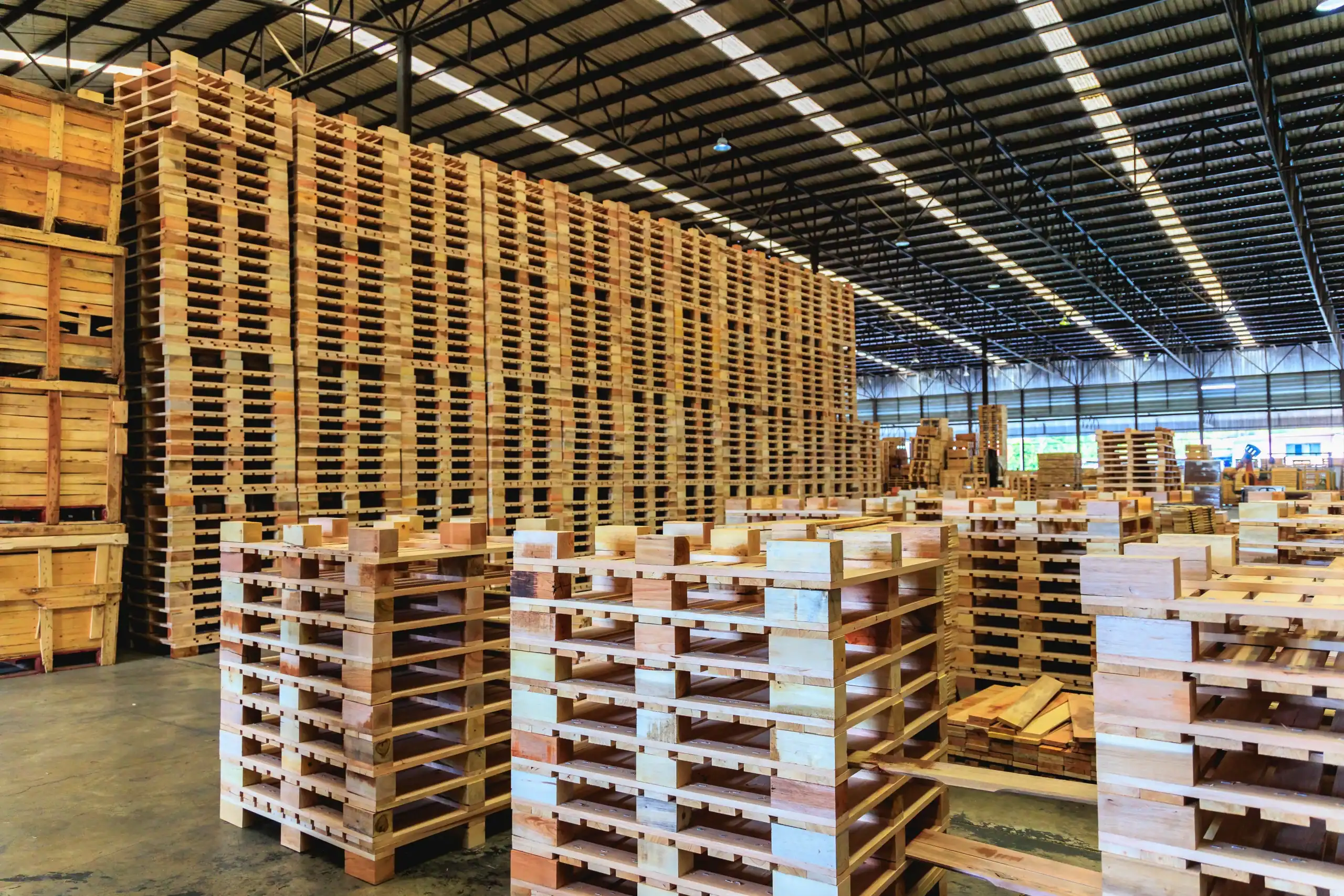
Stacked wooden pallets for shipping and storage solutions.
Your warehouse loading dock shouldn’t be a pallet graveyard. Yet that’s exactly what happens when high-volume facilities in Monmouth County, NJ don’t have the right disposal strategy in place. Without an efficient system, stacks of unwanted pallets can take up valuable warehouse space, create safety hazards, and disrupt daily operations. The solution isn’t just finding someone to haul them away—it’s choosing between two fundamentally different approaches that can either streamline your operations or create new bottlenecks. You’ll discover which service model aligns with your facility’s workflow, volume, and operational priorities.

Understanding Drop-Trailer vs On-Demand Pallet Disposal Services

We offer drop trailer services that provide a seamless way to manage used pallets by providing a designated space for continuous collection, with employees loading pallets at their convenience to prevent pileups on warehouse floors. This continuous-access model means your team works around the trailer, not the other way around.

On-demand pickup involves a truck arriving at a scheduled time to collect your pallets in a single visit. Think of it as the difference between having a storage unit on-site versus calling for pickup when you’re ready to clear everything out.

The fundamental difference lies in workflow integration. Drop-trailers become part of your daily operations, while on-demand services require coordination and preparation for specific pickup windows.

Stacked wooden pallets and lumber at Pallet Kings for shipping and industrial use.

How Drop-Trailer Services Work for Continuous Pallet Removal

We drop off a trailer at your facility, providing a designated space for used pallet collection where employees load used pallets at their convenience, preventing pileups on warehouse floors, with our scheduled pickup service ensuring the trailer is swapped out or emptied regularly.

Your facility essentially gains a dedicated pallet collection point that operates on your schedule. Teams can load pallets onto the trailer at their convenience, maximize space through proper stacking and strapping, and we replace full trailers with empty ones for continued use.

This approach works particularly well for facilities with consistent pallet generation. Manufacturing facilities generate high volumes of standard wood pallets, often as part of inbound and outbound logistics. Instead of pallets accumulating in staging areas or blocking dock doors, they flow directly into the designated trailer.

The beauty of this system lies in its predictability. Our scheduled pickup service ensures the trailer is swapped out or emptied regularly, keeping operations running smoothly with regular pickups that prevent pallet overflow and ensure a clutter-free environment. Your team knows exactly where pallets go, and you know exactly when they’ll be removed.

For high-volume operations, this eliminates the common scenario where pallets stack up faster than you can schedule removals. Our drop trailer programs are perfect for businesses with irregular pallet generation, allowing them to load at their convenience without scheduling pressure.

When On-Demand Pickup Makes More Sense for Your Operation

Our on-demand service involves scheduled truck arrival at a designated time for immediate pickup, with teams quickly transferring pallets onto the truck to minimize downtime, while proper stacking helps maximize truck capacity and reduce the number of trips needed.

This model excels when you need complete control over timing and preparation. Some facilities prefer the “clean slate” approach—accumulating pallets in a designated area, then clearing everything out in one coordinated effort. Proper preparation ensures a quick and efficient pickup process by sorting and stacking pallets properly in uniform sizes to maximize truck space, avoiding broken pallets not eligible for reuse, and designating accessible pickup areas to streamline loading.

On-demand pickup works best for facilities with predictable pallet accumulation patterns or those that prefer batch-style operations. We offer same-day service for urgent space clearing needs, giving you flexibility when unexpected situations arise.

The coordination required can actually be an advantage. Communicating with staff about pickup schedules prevents delays, ensuring your team is prepared and dock areas are clear. This advance planning often results in more organized, efficient operations overall.

However, this approach requires more internal management. You’re responsible for monitoring accumulation levels, scheduling pickups before space becomes an issue, and ensuring your team is ready when our truck arrives. Determining the right volume of pallets and pickup frequency is crucial, as regular pickups may be needed to prevent pallet overflow in high-production facilities.

Want live answers?

Connect with a Pallet Kings expert for fast, friendly support.

Cost Analysis: Comparing Drop-Trailer and On-Demand Service Models

The financial picture extends far beyond the service fee. We pick up bulk loads at no cost, providing immediate cost savings through eliminated dumpster rental fees and waste disposal charges. But the real cost comparison lies in operational efficiency and space utilization.

Drop-trailers maximize warehouse space by freeing up valuable storage areas and reduce manual handling through efficient loading processes. This translates to more space for revenue-generating activities and less labor time spent on pallet management.

Standard wooden pallets in good condition sell for $3-8 each, with monthly pickups of 200 pallets potentially generating $600-1,600 in additional income. The revenue potential can offset service costs and even generate profit, but only if pallets maintain their condition through proper handling and storage.

Scrap wooden pallets and broken wood pieces piled up in storage.

Hidden Costs of Poor Pallet Management in High-Volume Operations

Many businesses overlook the full cost of pallet disposal, which can add up over time and significantly impact their bottom line, but understanding actual costs and exploring reduction strategies can save money, improve sustainability, and increase operational efficiency.

Labor costs can make up 50-70% of a warehouse’s budget, making efficiency critical. When pallets accumulate in staging areas, your team spends additional time maneuvering around them, finding temporary storage spots, and reorganizing when space becomes critical.

Towering stacks of pallets are likely a common sight at most warehouses, with workers piling these pallets wherever they can find empty space, creating potential hazards that aren’t merely an inconvenience but can also potentially topple over and catch fire.

The safety implications carry real costs. In the industrial sector, 25% of accidents occur at warehouse loading docks, with OSHA reporting 71 accidents from 2017 to 2019, 19 of them fatal. Insurance premiums, worker compensation claims, and OSHA fines can dwarf disposal service costs.

Unloading times set the pace for warehouse operations, with delays in getting products off trucks creating additional setbacks in sorting and stocking goods, and during hectic times when products take a through route from unloading directly to loading docks, delays at either location can prevent timely order completion. Every minute spent managing pallet clutter is a minute not spent on core operations.

ROI Comparison: Which Service Model Delivers Better Value

Drop-trailers maximize warehouse space by freeing up valuable storage areas, reduce manual handling by allowing efficient pallet loading as they accumulate, and provide cost-effective disposal where manufacturers can sell or recycle pallets instead of paying for disposal.

The ROI calculation must factor in space value. Warehouse space is becoming more difficult to find, and more expensive to rent or purchase—especially near locations where customers reside, such as major cities and metropolitan hubs. Every square foot occupied by pallet accumulation represents lost revenue potential.

On-demand services can deliver better ROI when your facility has lower, more predictable volumes or when you can coordinate pickups with other operational activities. We offer buyback programs for pallets in good condition, reducing disposal costs, but this requires maintaining pallet quality during storage.

Our accurate data management systems with comprehensive approaches ensure all data flowing in and out of proprietary systems is accurate, allowing confident action and providing peace of mind that business operations are in trusted hands. This transparency helps you track actual costs and benefits, making informed decisions about service models.

The most cost-effective approach often combines elements of both. Some facilities use drop-trailers for routine operations and on-demand pickup for seasonal surges or special cleanouts. If you generate 20-30 pallets monthly, consider storing them for quarterly pickups to meet minimum thresholds, optimizing service frequency for your specific volume patterns.

Choosing the Right Pallet Disposal Strategy for Your Monmouth County Facility

For manufacturing facilities looking to streamline their pallet disposal process, our drop trailer services with scheduled pickups provide the most efficient and cost-effective solution, with businesses enjoying reliable pickup services, improved logistics, and the opportunity to turn used pallets into an asset rather than a burden.

The decision ultimately depends on your operational rhythm, volume consistency, and space constraints. High-volume facilities with consistent generation patterns benefit most from drop-trailer services, while operations with variable volumes or strict scheduling requirements often prefer on-demand pickup.

Optimizing loading dock design leads to significant improvements in operational efficiency and cost savings, with optimized design minimizing goods damage, reducing manual intervention, and enhancing material handling flow, all contributing to cost savings and increased profitability while extending equipment lifespan and reducing maintenance costs. Your pallet disposal strategy should integrate seamlessly with these broader efficiency goals.

Consider partnering with us at Pallet Kings LLC to evaluate your specific needs and develop a customized approach that maximizes efficiency while minimizing costs for your Monmouth County operation.

Summary:

Managing pallet waste efficiently is crucial for high-volume facilities in Monmouth County, NJ. This comprehensive comparison examines drop-trailer services versus on-demand pallet removal, helping warehouse managers choose the optimal solution for their operations. The right pallet disposal strategy can transform your warehouse from cluttered and inefficient to streamlined and profitable, while ensuring compliance and maximizing valuable dock space.

Article details:

Share: