Pallet Kings is New Jersey’s reliable, family-owned provider for buying, selling, and recycling new and used wooden pallets.
Contact Info
Understanding pallet grades and market pricing helps you get maximum value when selling used pallets in Monmouth County.
The Grocery Manufacturers Association created the standard that most pallet buyers use today. It’s not arbitrary—every grade reflects specific structural conditions that determine how much a pallet is worth.
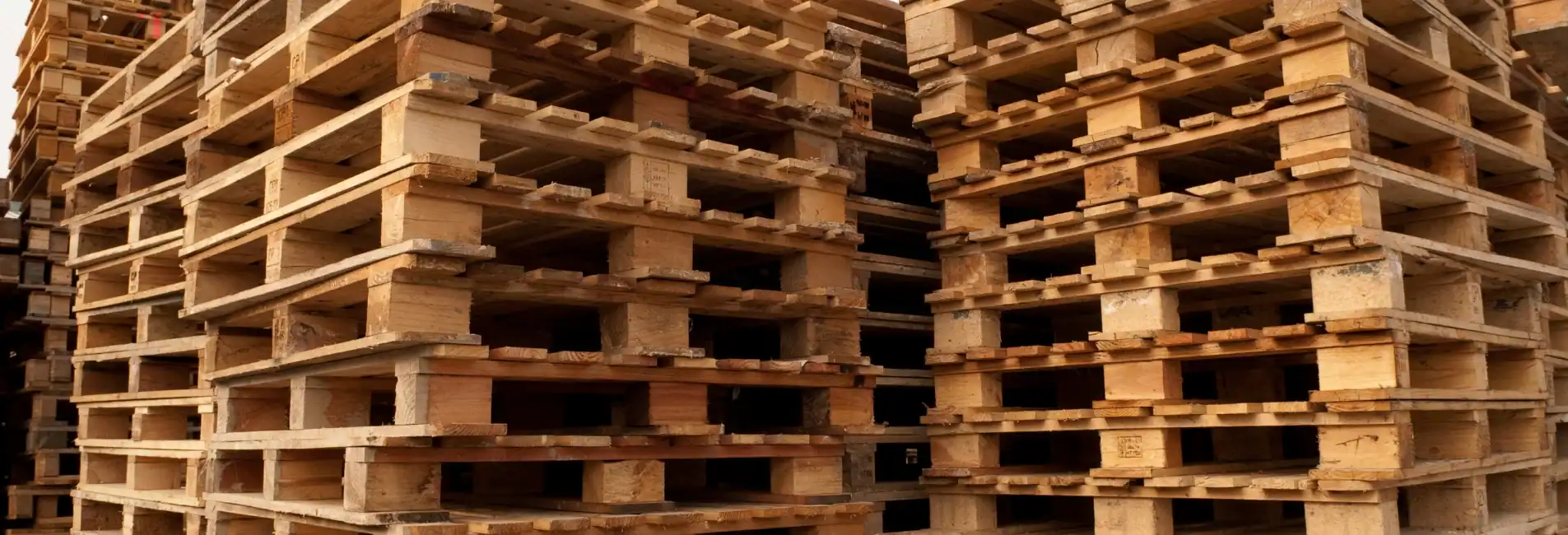
Grade A pallets represent the cream of the crop. These haven’t needed major repairs and look almost new. Grade B pallets are still solid workhorses but show visible signs of previous fixes. Then there are damaged cores—pallets that can’t be repaired but still have scrap value.
Understanding these categories is your first step toward maximizing returns. Each grade has clear criteria, and knowing them helps you sort your pallets before the buyer arrives.
Grade A pallets earn premium pricing because they’re essentially like-new condition. No stringer repairs, no companion boards, minimal discoloration. These pallets can go straight back into high-end applications without additional work.
The key factors we examine include structural integrity of the stringers, condition of deck boards, and overall appearance. A Grade A pallet might have minor scuffs or light staining, but the core structure remains intact. Some may have metal reinforcement plates, which actually increase strength rather than decrease value.
What really sets Grade A apart is reliability. Food manufacturers, pharmaceutical companies, and retail operations pay premium prices because they need pallets that won’t fail during shipping or storage. Your Grade A pallets solve their problem of finding consistent, dependable platforms.
Current market rates in New Jersey show Grade A pallets commanding around $6.00 each. That’s four times more than damaged cores. The difference comes down to immediate usability—Grade A pallets require zero additional investment before going back to work.
Think of it this way: a manufacturer buying 500 pallets would rather pay $3,000 for Grade A stock than deal with repairs, delays, or failures from lesser quality options. Your job is identifying which of your pallets meet these standards.
Grade B pallets tell a story of repairs and continued service. These platforms have been fixed—maybe new deck boards, companion stringers, or metal plates. But here’s the important part: properly repaired pallets often perform better than originals.
The repair work you see isn’t a weakness—it’s evidence that someone invested in keeping the pallet functional. Broken boards get replaced with sound timber. Cracked stringers receive companion supports that distribute weight more effectively. Metal reinforcements add strength where wood alone might fail.
Current pricing for Grade B pallets runs around $4.00 each in the New Jersey market. That’s solid value for pallets that still have years of service ahead. The key is understanding that visible repairs don’t automatically mean reduced performance.
Smart buyers know that Grade B pallets offer excellent value for standard warehouse operations, general shipping, and non-food applications. They’re not going on retail floors, but they’ll handle the heavy lifting in distribution centers and manufacturing facilities.
Your Grade B inventory represents steady income. While not commanding premium prices, these pallets move quickly because they hit the sweet spot of performance and affordability. Businesses buying in bulk often prefer Grade B because they get reliable function without paying for cosmetic perfection they don’t need.
Want live answers?
Connect with a Pallet Kings expert for fast, friendly support.
The 48×40 inch pallet dominates the market because it’s the GMA standard. Nearly every forklift, warehouse rack, and shipping system accommodates this size. That universal compatibility drives consistent demand and stable pricing.
Current market rates reflect supply and demand dynamics that change monthly. Understanding these fluctuations helps you time your sales for maximum return. Economic conditions, seasonal shipping patterns, and regional supply all influence what buyers pay.
Right now, the spread between grades creates clear incentives for proper sorting and evaluation.
Today’s pricing structure in New Jersey shows distinct tiers that reward quality. Grade A pallets fetch $6.00 each, Grade B brings $4.00, and damaged cores still generate $1.50. These aren’t suggested prices—they’re what we and other active buyers actually pay.
The math becomes compelling quickly. A monthly accumulation of 200 mixed pallets could generate anywhere from $600 to $1,600 depending on grade distribution. Businesses that understand grading consistently hit the higher end of that range.
Location matters too. Monmouth County’s proximity to major shipping corridors and distribution centers creates steady demand. You’re not dealing with remote market pricing where transportation costs eat into payouts. Local buyers compete for quality inventory, which keeps rates competitive.
Market timing also plays a role. Spring through fall typically sees higher demand as shipping volumes increase. Holiday seasons create spikes in pallet needs. Economic growth in manufacturing and e-commerce drives consistent baseline demand that supports current pricing levels.
The key insight is that these aren’t arbitrary numbers. They reflect real market conditions where buyers need specific quantities of reliable pallets. Your understanding of these dynamics directly impacts your bottom line.
Several variables beyond grade affect what you’ll receive for your pallets. Quantity ranks high—buyers prefer truckload quantities because it justifies pickup costs and processing time. Most require minimum loads of 100-400 pallets for free removal services.
Consistency in your inventory also matters. Mixed loads of different sizes and conditions require more sorting labor, which can reduce overall pricing. Standardized loads of 48×40 pallets in similar condition command better rates because they’re easier to process and resell.
Storage conditions impact value significantly. Pallets stored outdoors may suffer weather damage that drops them from Grade A to Grade B or worse. Indoor storage maintains condition and maximizes return. Contamination from chemicals, food spills, or other substances can render otherwise good pallets worthless.
Your relationship with buyers influences long-term pricing too. Reliable suppliers who provide accurate counts and consistent quality often receive better rates than one-time sellers. Building relationships with local pallet recyclers creates ongoing revenue streams from what many businesses consider waste.
Geographic factors also play a role. Monmouth County’s industrial base and transportation infrastructure support active pallet markets. You’re not dealing with remote pricing where distance penalties reduce payouts. Local competition among buyers works in your favor.
Understanding these factors helps you optimize both immediate returns and long-term value from your pallet inventory. Small changes in how you handle and present your pallets can significantly impact your bottom line.
Smart pallet management starts with understanding what you have. Grade A pallets deserve premium pricing, Grade B stock provides steady value, and even damaged cores generate revenue instead of disposal costs.
The grading system isn’t complicated once you know what buyers look for. Structural integrity, repair history, and overall condition determine category placement. Current market rates reward businesses that take time to understand these fundamentals.
Your next step is simple: evaluate your current pallet inventory using these guidelines, then contact us at Pallet Kings LLC for a fair market assessment. We provide transparent grading and competitive pricing based on actual market conditions in Monmouth County, NJ.
Summary:
Share: