Pallet Kings is New Jersey’s reliable, family-owned provider for buying, selling, and recycling new and used wooden pallets.
Contact Info
Discover how choosing the right pallet quality can cut shipping costs by up to 50% while maintaining reliability for your specific load requirements.
Not all pallets are created equal, but the grading system isn’t as complicated as some suppliers make it seem. You’ve got three main categories that determine both price and performance.
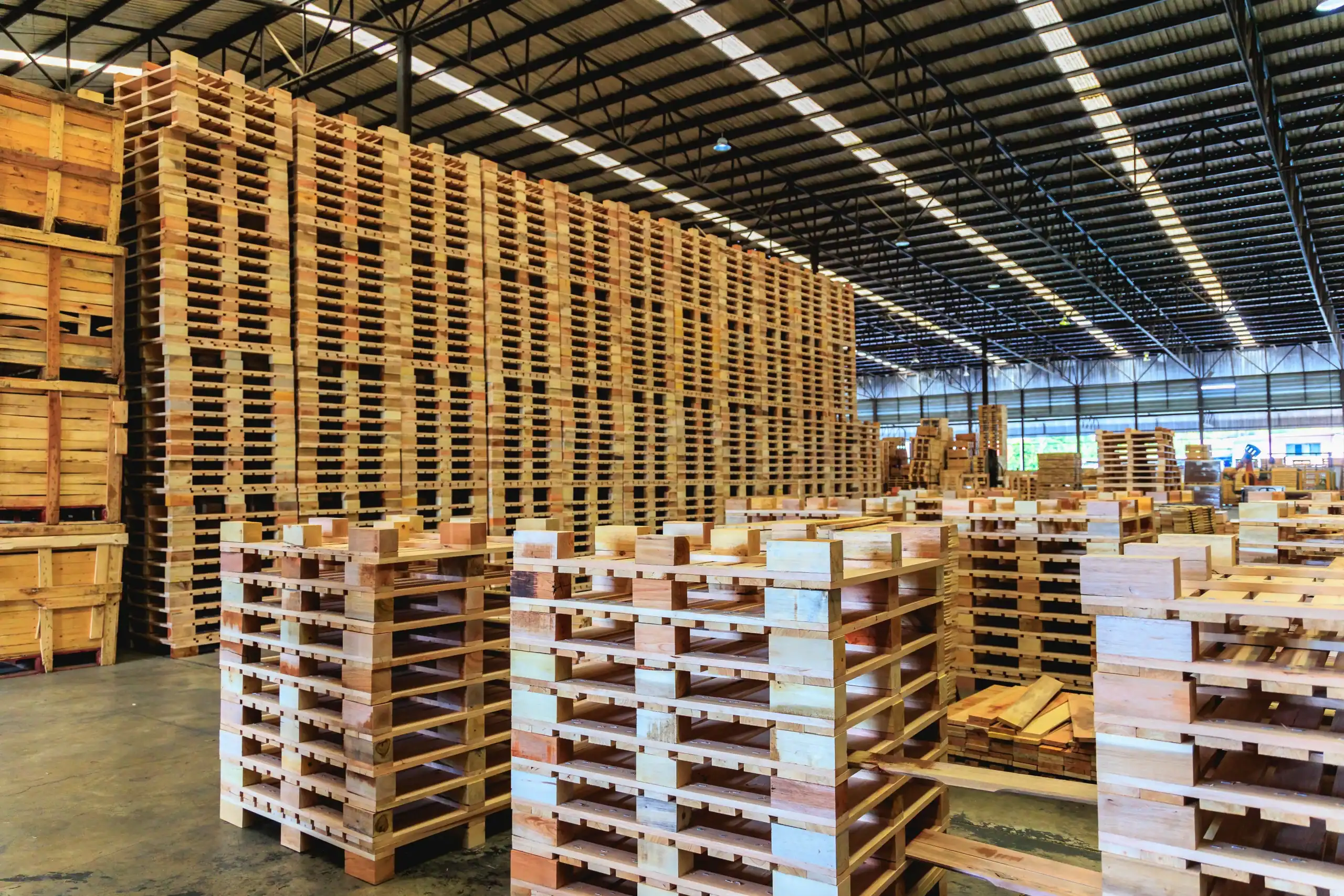
New pallets are exactly what they sound like—fresh lumber, precise construction, consistent dimensions. They’re your premium option when appearance matters or when you’re shipping heavy, valuable, or fragile goods that can’t afford any structural surprises.
Reconditioned pallets have been used before but restored to reliable working condition. Think of them as the certified pre-owned cars of the shipping world—they’ve got some history, but they’re inspected, repaired, and ready to perform.
Grade A reconditioned pallets represent the sweet spot for most shipping operations in Monmouth County. These pallets have been refurbished to near-original condition with all damaged boards replaced, making them nearly indistinguishable from new pallets in terms of performance.
Here’s what makes Grade A pallets worth considering: they maintain structural integrity without the premium price tag. The wood quality remains solid, the dimensions stay consistent, and you’re looking at roughly 50% savings compared to new pallets. For businesses shipping standard loads that don’t require pristine appearance, Grade A reconditioned pallets deliver the same reliability you’d expect from new ones.
Our inspection process for Grade A pallets is thorough. Any compromised boards get replaced, weak joints are reinforced, and the final product meets the same load-bearing requirements as new pallets. You’re not gambling with inferior materials—you’re getting proven platforms that have already demonstrated their durability in real-world shipping conditions.
Most importantly, Grade A pallets never have block repairs to the stringers, which means the core structural elements remain intact. This is crucial for maintaining consistent load distribution and preventing unexpected failures during transport. When you’re moving products that represent significant investment, this structural reliability becomes non-negotiable.
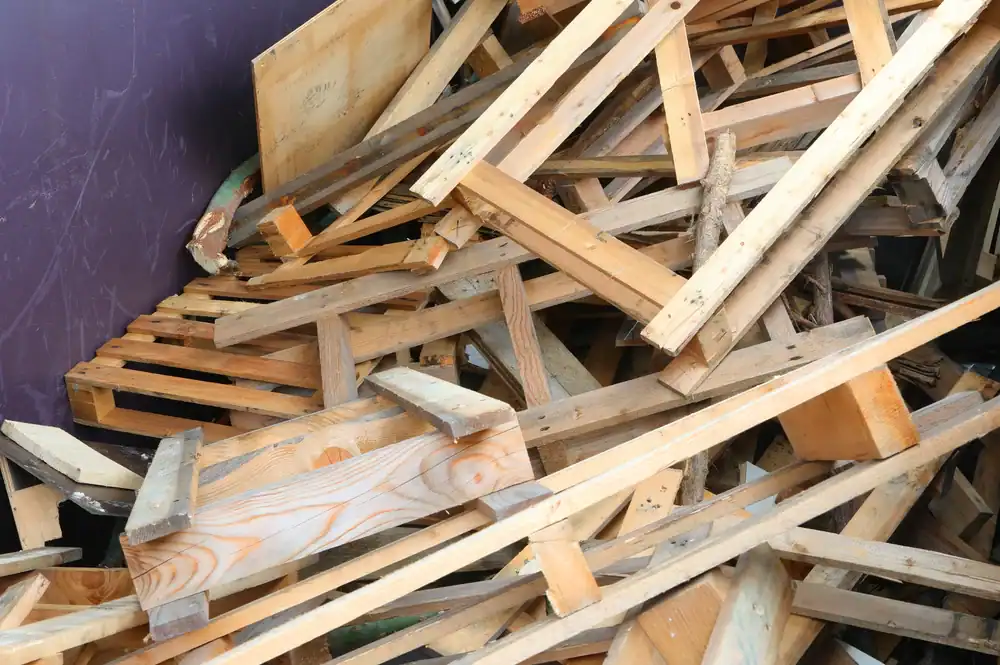
Grade B pallets show more wear and typically include repairs like companion stringers or reinforcement plates, but they still provide reliable service for the right applications. These pallets have experienced damage to at least one stringer during their previous life, which means they’ve been patched and reinforced rather than fully restored.
The key to success with Grade B pallets is understanding their limitations and matching them to appropriate loads. They’re ideal for one-way shipments, non-display applications, and scenarios where uniform appearance isn’t critical. If you’re shipping products that don’t require pristine presentation and your loads fall within lighter weight ranges, Grade B pallets can deliver significant cost savings.
The patched appearance of Grade B pallets might not win beauty contests, but functionality matters more than aesthetics in most shipping operations. These pallets often feature multiple repairs and reinforced stringers, which actually demonstrates they’ve been properly maintained rather than discarded at the first sign of wear.
For businesses in Monmouth County dealing with regular outbound shipments of lighter goods—think packaged foods, textiles, or consumer products—Grade B pallets offer an economical solution that keeps shipping costs manageable without sacrificing basic reliability. The cost difference between Grade B and new pallets can be substantial, often representing 60-70% savings on your pallet investment.
Want live answers?
Connect with a Pallet Kings expert for fast, friendly support.
Smart pallet purchasing starts with honest assessment of what you’re actually shipping and where it’s going. A pallet carrying artisanal foods to upscale retailers has different requirements than one moving bulk industrial supplies to a warehouse.
Load weight is your first consideration. Standard wooden pallets can handle up to 2,800 pounds when properly distributed, but reconditioned pallets may have slightly reduced capacity depending on their grade and repair history. Most businesses overestimate their load requirements—if you’re consistently shipping under 1,500 pounds per pallet, you’re probably safe with reconditioned options.
Transport conditions matter too. Pallets moving through automated systems need consistent dimensions and structural integrity. One-way shipments to non-critical destinations can tolerate more cosmetic imperfections than pallets entering retail environments or customer-facing locations.
Understanding pallet lifespan helps you calculate true cost per use, which often makes reconditioned pallets even more attractive. Wooden pallets can typically be reused 5-10 times before reaching end of life, with some well-maintained pallets lasting up to 15 cycles.
New pallets start this lifecycle with maximum structural integrity, but they’re not necessarily more cost-effective over their entire lifespan. A new pallet costing $25 that lasts 10 uses costs $2.50 per cycle. A Grade A reconditioned pallet costing $12 that lasts 6 uses costs $2.00 per cycle—better economics even with shorter lifespan.
The reuse calculation becomes especially important for businesses with closed-loop distribution systems. If you’re getting pallets back from customers or distribution centers, starting with reconditioned pallets means you’re not tying up premium capital in assets that will inevitably degrade through normal use.
Plastic pallets change this equation entirely, with potential for 50-200 uses depending on application, but the upfront cost differential is significant. For most Monmouth County businesses dealing with standard shipping volumes, wooden pallets—whether new or reconditioned—provide the best balance of performance and cost-effectiveness.
New pallets justify their premium pricing in specific situations that go beyond simple load-bearing requirements. International shipping often requires heat-treated pallets with proper certification, and new pallets eliminate any uncertainty about treatment history or compliance status.
High-value products warrant new pallets because the cost differential becomes negligible compared to potential damage from pallet failure. If you’re shipping $50,000 worth of electronics on a $25 pallet versus a $12 reconditioned one, the $13 difference is insignificant insurance against structural failure.
Automated warehouse systems present another scenario where new pallets make sense. Consistent dimensions and structural integrity become critical when pallets interact with automated storage and retrieval systems. Slight variations in reconditioned pallet dimensions can cause expensive system disruptions that quickly exceed any initial savings.
Customer perception also factors into the equation for some businesses. If your pallets are visible to end customers or represent your brand in retail environments, the clean appearance of new pallets might justify the premium. However, this applies to a smaller percentage of shipments than most businesses assume.
The key is avoiding blanket policies that default to either new or reconditioned pallets for all applications. Smart purchasing means evaluating each shipping scenario and choosing the most cost-effective option that meets actual requirements rather than imagined ones.
The difference between profitable shipping and unnecessary expense often comes down to matching pallet quality to actual requirements rather than defaulting to premium options. Grade A reconditioned pallets deliver near-new performance at roughly half the cost, while Grade B options provide reliable service for lighter loads at even greater savings.
Your shipping success depends on understanding what each load actually needs—not what sales reps suggest you might need. Most businesses can reduce pallet costs by 30-50% without compromising reliability by simply choosing appropriate grades for different applications.
When you’re ready to optimize your pallet purchasing and reduce shipping costs without sacrificing quality, we provide the expertise and inventory to match your specific requirements with the most cost-effective solutions available in Monmouth County.
Summary:
Share: